
Protecting churches from property crime? How can churches protect themselves from the increasing number of property crimes occurring across the nation. Property crimes include burglary, theft, vandalism, robbery, and arson and all have spiked significantly in the last few years. It seems like every day there is another church crime related news report verifying this reality and the only way to protect churches from these crimes is to reduce the risk from happening in the first place.

Author’s Church Security Publications: Click Here
Churches are not immune from the financial loss or the erosion of trust and insecurity that these crimes create for church communities. From church buildings being broken into, vandalized, and church property stolen, to members personal property also stolen during these criminal acts. Experiencing theft can be traumatic for all involved and churches should do everything possible to protect the church and congregation from these preventable acts from occurring.
An Ounce of Prevention is Worth a Pound of Cure.
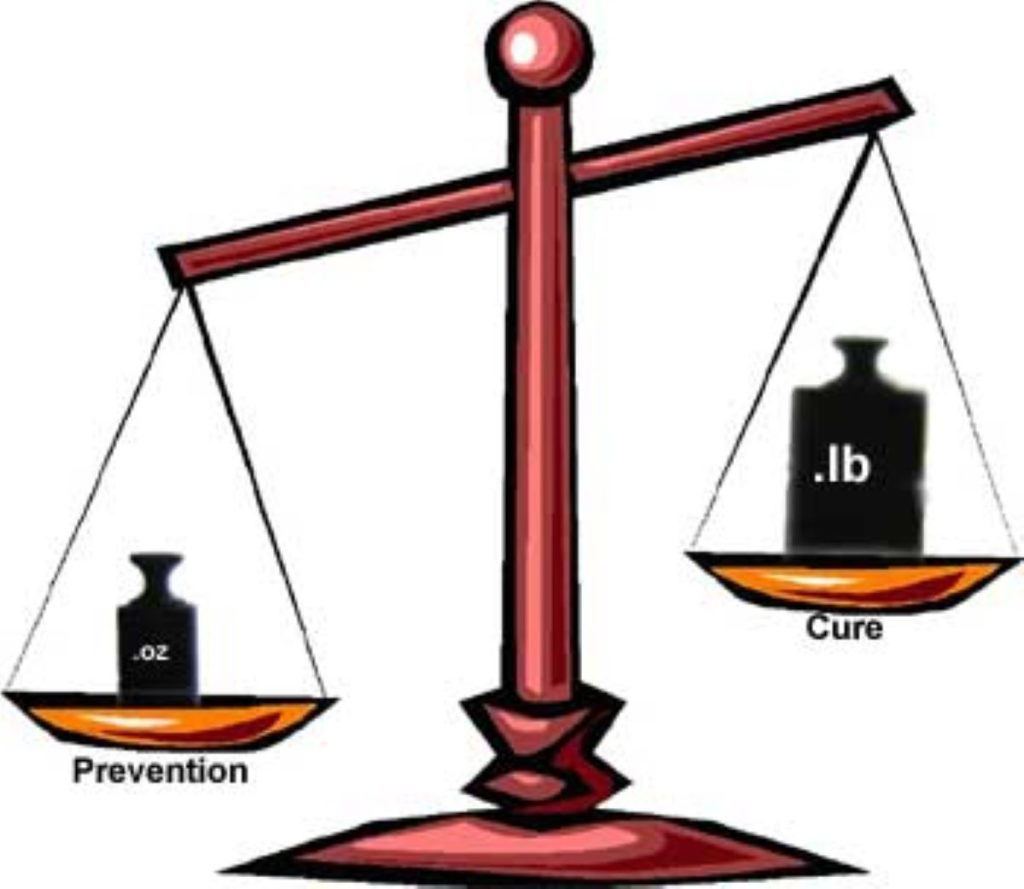
“An ounce of prevention is worth a pound of cure” highlights the wisdom of planning ahead to avoid problems. An “ounce” weighs less than a “pound,” so the phrase means it’s easier to do little things to prevent something bad happening than it is to try and fix the damage later. It encourages people to take action now instead of reacting to trouble. It’s also a cost reference, meaning the cost to prevent damage from happening today will be a lot less then repairing or replacing any damage that is caused later.
How to protect churches from property crime
Completing an annual risk assessment helps determine how a church is vulnerable to property crimes. Once vulnerabilities are identified, plans can be developed to mitigate these risks from happening. The risk assessment should include a review of current safety and security policy protocols to identify areas of improvement and new areas to address.
Lock Doors & Windows
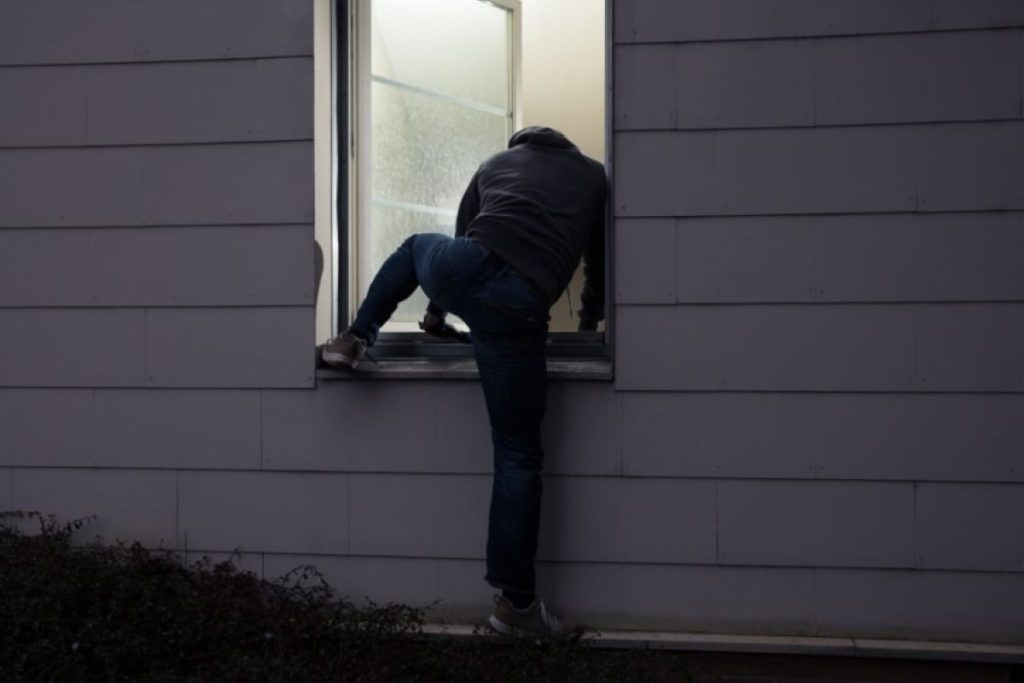
Ensuring doors and windows are closed and locked is a basic safety and security measure that is often the catalyst for a break-in. Reevaluate processes to ensure physical access points (doors, windows, access gates, etc.) are checked and secured when the church is closed or unoccupied.
- Outer perimeter doors and windows have secured, and functional locking mechanisms and security alarm tabs are operational; access is gained through key or keyless entry systems, key cards, fobs, or biometric scanners.
- Interior doors are secured, and functional locking mechanisms and doors are closed/locked when not in use.
- The church has an Access Control policy that includes procedures to recover keys and turn on/off access privileges for employees who have retired, resigned, or released from employment.
Intruder Alarm
The church should have an intruder alarm system in place that is operational.
- An alarm company should regularly service the alarm system to ensure functionality and reliability.
- An Alarm Policy is in place to ensure the alarm is turned on when the church is not in use; large facilities should consider multiple zones to ensure security is in place when only portions of the church are being used.
CCTV
CCTV (Closed-Circuit Television) is a video surveillance system that should be used by churches for security purposes. This is a primary deterrent for criminal behavior and property crime.
- Ensure CCTV is installed covering all access points. The system should be serviced annually and/or when an issue is identified.
- Using a cloud-based system for CCTV is recommended to allow for adequate storage and a 30-day storage loop.
- If a DVR unit is utilized, ensure the DVR is not accessible to others and is in a secured/locked location.
Keep Valuables Locked
Church assets should be secured in a locked location when not in use. This includes computers, electronics, musical instruments, equipment, machinery, vehicles, etc.
- A Financial Controls policy should be in place with protocols covering the collection, counting, banking process, storage, and transportation of church monies and offerings.
Exterior Mounted Mechanical Equipment
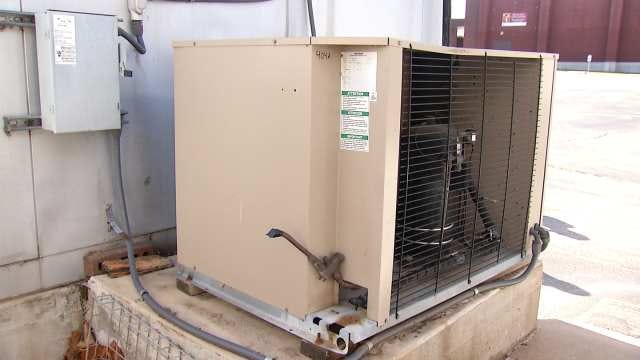
Churches that have exterior Heating and Air Conditioning equipment, mounted on the building perimeter or roof, should enclose these units to deny access and deter vandalism and theft. Installing lighting and a camera that overlooks this equipment will deter property crime from occurring.
External Lighting
Every access point in/out of the church should be well lit and have CCTV clearly present. These are primary deterrents against property crime.
- When access points are well lit and CCTV is operational, criminals and people with evil intentions cannot enter the church undetected.
- Motion light sensors are another deterrent, both inside and outside of church buildings.
Building Lock Down – Checklist
A checklist should be completed by the person(s) in charge of locking down the church building at the end of a day, service, or event. Create a policy procedure (Building/Access Controls) with a protocol to follow that is specific to your church building.
- Ensure all access points and exterior doors and windows are closed and secure.
- All interior doors are closed and locked.
- CCTV is operational.
- The intruder alarm is activated prior to leaving.
FAQ
Property crimes are criminal acts that involve the theft or destruction of someone else’s property. These crimes include activities such as:
- Burglary: Breaking into a building with the intent to steal.
- Theft: Taking someone’s property without permission.
- Vandalism: Damaging or defacing property.
- Robbery: Stealing property through force or fear.
- Arson: Intentionally setting fire to property.
Call and talk with your insurance agent to see if property crimes are covered. Most owner’s and renter’s insurance policies include coverage for stolen property, but it is important to understand the policy details, circumstances and deductibles.
Gather any available evidence, such as surveillance footage, photographs of the stolen items, receipts, and serial numbers. This information will be important for both law enforcement and your insurance company should a property crime occur.

Summary
By creating and following policies and procedures to keep their facilities secure, churches can reduce the opportunities for property crime to occur and avoid the financial hardship and loss of trust and sense of security that accompanies these criminal acts.
Related Content
Public Safety Training LLC is here to serve and has established training and consulting programs and publication resources available to help. We would be honored to assist your church and security team in any way that we can. Contact us today!
Michael Elerick is the President of Public Safety Training LLC, a church safety and security training and consulting company. He retired from law enforcement as a Special Operations Commander and SWAT Commander. He served as the Executive Director for the Public Safety Training Institute (2010-2020), a non-profit public safety training organization, and has over three decades of experience as a Risk Manager and Security and Tactical expert. He is the author of Church Safety & Security 101, Emergency Preparedness for Church Volunteers, Church Security Team Development, Church Emergency Operations Plan (EOP), among other works.


