When it comes to ensuring the safety and security of churches and their congregations, church safety volunteers play an important role. Church leaders have long recognized the value of using dedicated church members as safety volunteers. These individuals are stakeholders in the church and have a personal stake in maintaining a safe and secure environment for everyone who works, worships, and fellowships within its walls.

Church safety Volunteers
In this post, we will talk about the primary roles and responsibilities of church safety team members. These dedicated volunteers play an important role in ensuring the safety and well-being of church staff and members during worship services, events, and gatherings. We will also discuss some best practices for recruiting and training these dedicated volunteers.
Church safety volunteers play an important role in ensuring the safety and security of the church and its congregation. By dedicating their time and effort, they help to create a safe and peaceful environment for church services, events, and gatherings to take place. These trained safety volunteers foster greater trust within their church community, while working to create and maintain a safe and protected environment for all who enter the sanctity of the church.

Roles and Responsibilities
There are many roles and responsibilities safety teams take on depending on their church’s location, size, and number of services offered. Below are the primary roles and responsibilities that every church safety team should minimally deploy.
Monitoring and Surveillance: Church safety teams maintain a watchful presence, monitoring and observing the church premises and scanning for unusual activities or potential threats. They are vigilant in identifying any unusual or suspicious behavior. If they notice anything concerning, they notify other team members and leadership and coordinate a measured response to prevent or mitigate any issue.
These volunteers maintain both fixed posts, which include entry and exit points of the church property and building locations where services are taking place, and mobile assignments, which can include foot and vehicle patrols assigned to specific areas of the church.
Safety volunteers are also assigned to posts within church buildings during services and events. These volunteers can be assigned to Clergy Protection, Platform Protection, Medical Responder, Entry Doors, etc. Safety volunteers also assist with the collection and transporting of money offerings (Tithes, Collection Plate, etc.). Their primary role within these assignments is to provide a visual presence and deterrent to potential threats while reassuring the congregations safety.
Emergency Response: In case of an emergency, these trained volunteers respond quickly and effectively to mitigate and resolve a wide variety of issues. They have been trained in multiple Emergency Action Plans (EAP’s) and protocols, evacuation procedures, CPR/AED and basic first aid, among many other topics. This preparation helps minimize risks to the church and helps to ensure the safety of the congregation when emergencies do occur.
Conflict Resolution: Church safety team volunteers may face situations that require effective communication and de-escalation skills. They act as mediators by peacefully resolving conflict and preventing disruptive incidents, promoting a peaceful and harmonious environment within the church community.

Author’s Church Safety & Security Publications: Click Here
Coordination with Public Safety:
When emergencies do occur or escalate, church policy should indicate that public safety is called right away to ensure medical, or law enforcement assistance is not delayed. Safety team members are responsible for ensuring a public safety response has been requested and will coordinate the response with public safety dispatchers, so they arrive quickly and exactly where they are needed.
Churches vary in size, and the roles and responsibilities of safety teams will differ from one church to another. However, the above essential roles and responsibilities should apply universally. By having a committed team of volunteer safety personnel, churches can foster a safer and more peaceful environment for members and guests to participate in all church services and activities.
Recruiting and Training
Recruitment: Building an effective volunteer team possessing appropriate personality traits and communication skill sets is essential for maintaining church safety. Implementing a recruitment strategy helps identify dedicated individuals who are passionate about safeguarding their church and congregation and who possess positive personality traits and skill sets congruent with this assignment. A best practice recruitment strategy will include an application process, interview(s), reference checks, and thorough background checks conducted on every member who applies.
It is important that the church recruits and trains the right people to serve on the church safety team. Trust and confidence are essential elements needed to effectively manage a variety of situations that safety teams may be called upon to resolve. To create and maintain these two vital elements churches must prayerfully and selectively choose who serves on the team.
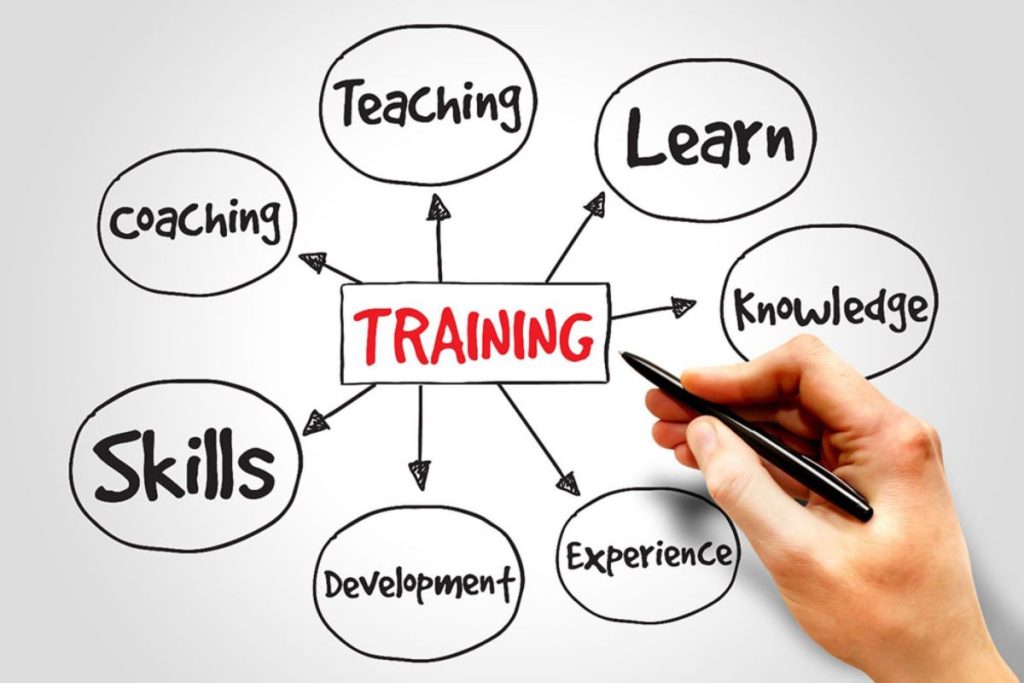
Training: Developing a comprehensive training program to equip these volunteers with the necessary knowledge and skills to be successful is important. Training modules should include Verbal Communication and De-Escalation Techniques, Conflict Resolution, Access Control, and Emergency Preparedness, among other topics. The Emergency Preparedness module should include the churches response plans for Medical Emergencies, Disruptive Persons, Evacuation, Shelter in Place, Lockdown, Active Shooter, etc.
During church emergencies the safety team members have important roles to perform. They will be carrying out the churches Emergency Action Plan’s on behalf of the church to safeguard the congregation and the vulnerable populations (Children’s Programs / Disabled / Mobility Impaired) within the church. It is imperative that these volunteer units are well trained and rehearsed in these areas long before a real emergency occurs.
When designing training sessions for volunteer safety team members, it is recommended that churches seek out subject matter experts in law enforcement and emergency response, to deliver these training sessions. These professionals can provide valuable insights, real-life examples, and practical demonstrations that legitimize and enhance the learning experience.
Coordination and Communication: Establishing clear funnels of communication within the safety team to facilitate effective coordination among volunteer members is important. Having regularly scheduled team meetings, training sessions, and timely information sharing, all contribute to a cohesive and efficient church safety team. In this digital day and age, it is highly recommended that safety teams subscribe to Church Safety & Security websites and blogs that educate and promote current professional standards, trends, best practices, and efficient operational procedures.
Volunteers are not compensated for their time, providing them with proper training and equipment so they can effectively carry out their responsibilities is very important. Church volunteers genuinely love serving others, but we (church leadership) must always be cognizant of showing and nurturing genuine appreciation for these efforts in order to maintain our volunteer’s motivation and desire for service. Providing volunteers with training and equipment that helps them to succeed in their assignment is one of the ways that nurtures appreciation for their service.
Training and equipping volunteer safety team members are essential steps in building an effective church safety team. By providing comprehensive training, volunteers can acquire the necessary skills, knowledge, and experience, necessary to fulfill their responsibilities when a church emergency occurs.
faq
Church safety volunteers serve as watchful guardians, monitoring the premises with vigilance, responding to emergencies, and promoting a peaceful environment for worshippers and guests. Their dedication helps ensure the safety and well-being of the entire church.
Safety team volunteers are trained in Emergency Preparedness and response protocols (Evacuation, Lockdown, Active Shooter, etc.), Verbal Communication and De-Escalation, Conflict Resolution, First Aid / CPR / AED, disruptive/suspicious persons, among other topics.
Churches can recognize volunteer efforts through certificates, appreciation events, public acknowledgments, and other gestures that express gratitude for their works, dedication, and commitment.
resource publication
summary
Church safety volunteers bring a unique dedication and commitment to protecting their church and congregation. They serve as a first line of defense against threats and as first responders to church emergencies. Through strategic recruitment and comprehensive training, these volunteers acquire essential knowledge, skills, and expertise necessary to fulfill their roles, ensuring that the church remains a safe haven for everyone who enters within its walls.
related content
- Church Safety: Mastering Verbal Communication Skills
- Church Safety Team Use of Force
- Why Do Churches Conduct Risk Assessments
Author’s Church Safety & Security Publications: Click Here
Public Safety Training LLC is here to serve and has established training and consulting programs and publication resources available to help. We would be honored to assist your church and safety team in any way that we can. Contact us today!
Michael Elerick is the President of Public Safety Training LLC, a church safety and security training and consulting company. He retired from law enforcement as a Special Operations Commander and SWAT Commander. He served as the Executive Director for the Public Safety Training Institute (2010-2020), and has over three decades of experience as a Risk Manager and Security and Tactical expert. He is the author of Church Safety & Security 101, Emergency Preparedness for Church Volunteers, Church Safety Team Development, Church Emergency Operations Plan (EOP), among other works.