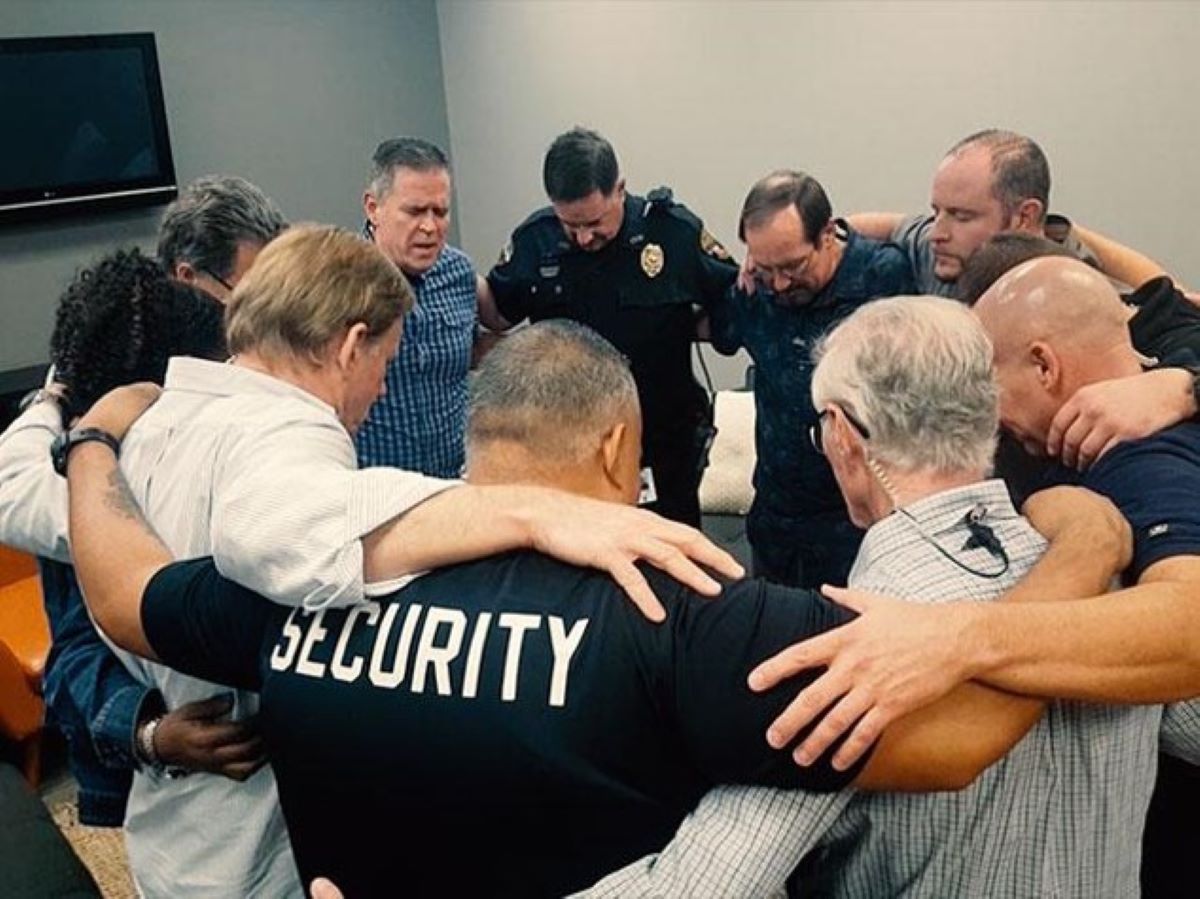
In this post, ‘Access Control in a Church Safety Plan,’ we’ll explore strategies for safeguarding church operations. Access Control helps churches deter individuals with a criminal or evil intent from having free-reign access to the church. This includes property, buildings, websites and electronic databases, thereby protecting the church from potential harm.
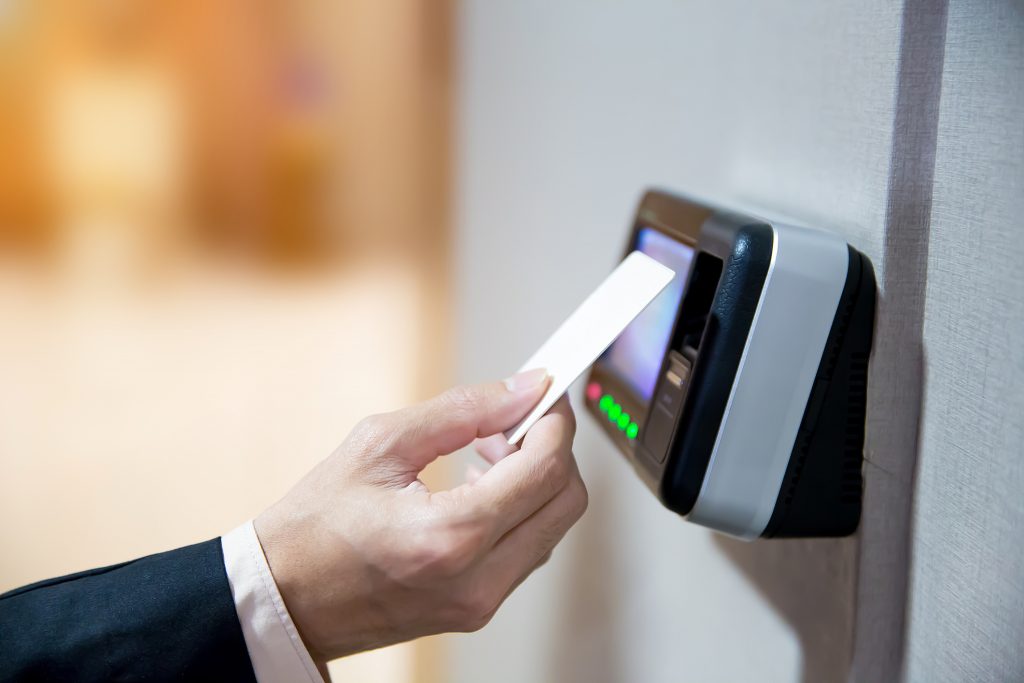
Access control in a Church Safety Plan involves restricting access to specific areas, systems, or sensitive information. These security measures ensure only authorized individuals can enter certain places or access church data and resources. Access control is vital for church safety, helping prevent unauthorized entry and protecting people, property, and ministry operations. This article explains what access control is, why it matters, and how churches can implement it effectively.

Access Control in a Church Safety Plan
Access control helps ensure that only authorized individuals enter certain areas of the church, such as children’s ministry spaces or administrative offices. These measures apply to both physical locations and digital environments containing sensitive church information or systems. By thoughtfully managing who can go where, your church can better protect people, property, and ministry operations—creating a safer, more welcoming environment for everyone.
Access Control – Physical Security
Church physical security systems may include cameras at entrances, electronic keycards, PIN codes, biometrics, and traditional lock-and-key methods. These tools control access to specific areas within buildings, ensuring only authorized individuals enter restricted or sensitive locations. By limiting access, churches enhance safety for staff, members, children, and ministry operations throughout the property.
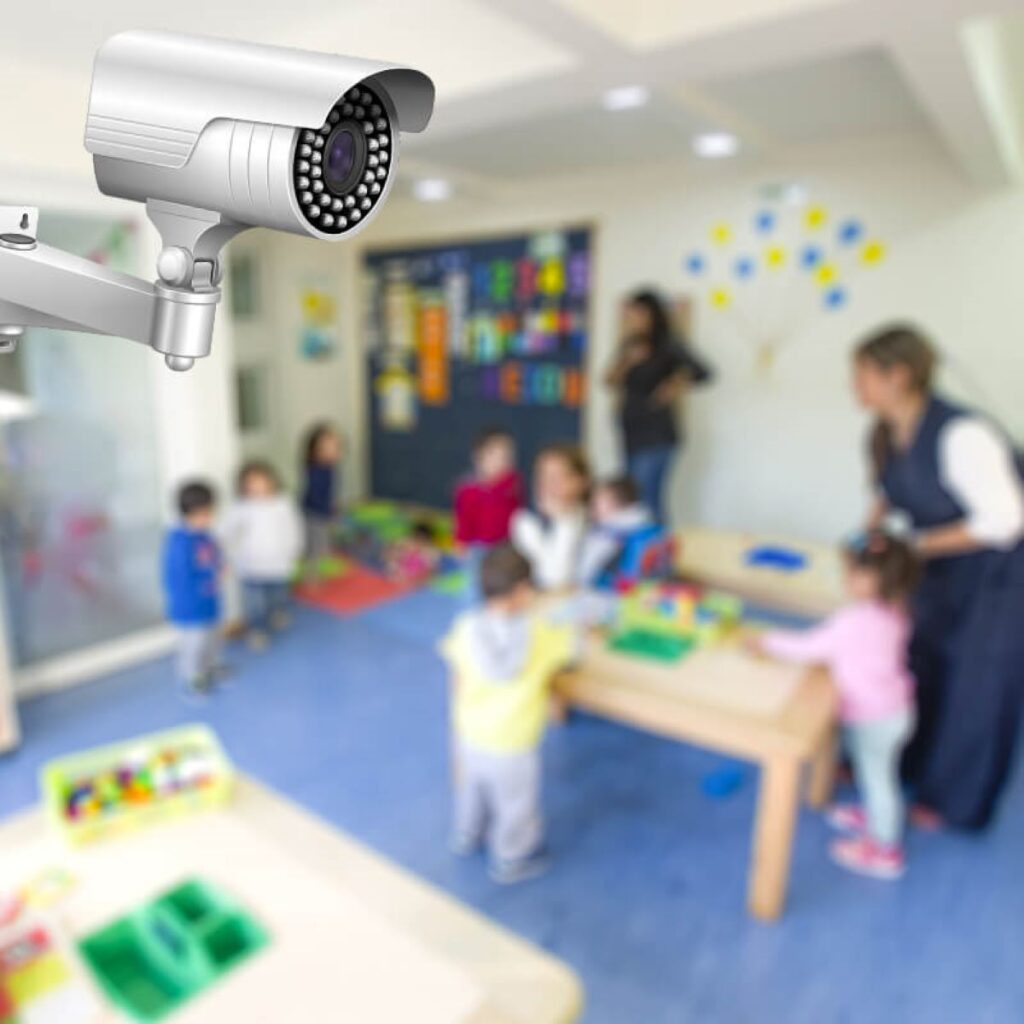
Churches should incorporate greater access control measures for the most vulnerable and valuable church populations and assets such as children’s ministries, church offices, finance offices, Information Technology (IT), and electrical rooms.
Additional Physical Security priorities for churches include:
- Monitor parking areas and all access and entry points with video surveillance systems.
- Place photocell (for dusk to dawn) and motion-activated LED lighting throughout the exterior perimeter.
- Lock and install alarms on windows and doors, ensuring they can be unlocked for emergency escape.
- Ensure doors work properly and lock from the inside.
- Use of signage and other communication methods to indicate unauthorized areas.
- Train church staff and volunteers in active threat response, shelter-in-place, and other emergency preparedness procedures.
For schools and daycares on church property:
- Limit access using a single point of entry, secure other access points, and ensure only authorized visitors are allowed entry with photo identification.
- Consider using a visitor management system for the church and check-in/out system for the children’s ministry.
- Establish communication protocols with parents and guardians of minors in the event of an ongoing incident.

Access Control – Digital Security
In digital security, access control involves using authentication and authorization mechanisms to control users’ access to the church computer networks, electronic files, databases, and online applications. This can include methods such as username/password authentication, role-based access control (RBAC), and multi-factor authentication (MFA), among others.
Today, churches actively maintain strong cyber hygiene to identify and mitigate vulnerabilities effectively.
Cyber hygiene includes:
- Regular software updates: Ensuring that operating systems, applications, and security software are regularly updated with the latest patches and fixes to address known vulnerabilities and security flaws.
- Strong password management: Require strong passwords for access.
- Multi-factor Authentication (MFA): Enabling MFA adds an extra layer of security by verification beyond a password, such as a one-time code sent to a mobile device.
- Data Backup and Recovery: Regularly backing up important data to secure locations to ensure that it can be recovered in the event of data loss due to cyberattacks, hardware failures, or other incidents.
- Firewall and Antivirus Protection: Using firewalls and antivirus software to detect and block malicious activity, such as viruses, malware, and unauthorized access attempts, from compromising systems and networks.
- Securing Wi-Fi Networks: Employing strong encryption (e.g., WPA2/WPA3) and unique passwords for Wi-Fi networks to prevent unauthorized access and eavesdropping.
Digital access control plays an important role in maintaining church safety and security and confidentiality by preventing unauthorized individuals from accessing sensitive information and/or financial resources.
Access Control – Security Protocols
Using access control security protocols to safeguard staff and volunteers working or serving in functions involving money should be a high priority for all churches. Because robbery is a known risk and primary trigger in church violence, churches have a responsibility to eliminate this hazard from occurring. Implement clear policies and procedures to safeguard funds from collection to deposit, ensuring robust protection. These guidelines help safeguard financial integrity and promote accountability at every step of the process.
10 For the love of money is a root of all kinds of evil: which some reaching after have been led astray from the faith, and have pierced themselves through with many sorrows.
1 Timothy 6:10 (ASV)
Access control security protocols offer accountability and safeguards for those managing church funds. The goal of these policies is to minimize the opportunity and temptation for mishandling funds while protecting those in money handling roles. The financial controls shield the church from financial loss, prevent any suspicion of wrongdoing among money handlers, and safeguard staff and volunteers from potential criminal acts of robbery.

Access Control – Cash Offerings
Implementing access controls for cash offerings is important to ensure the security and integrity of the donation process. Establish policy protocols for the following cash offering access control measures:
- Limited Access: Restrict access to areas where cash offerings are collected, counted, and stored to authorized personnel only.
- Secure Collection Containers: Use lockable, tamper-evident collection containers or offering plates to securely collect cash donations during services.
- Dual Custody: Implement a system of dual custody for handling cash offerings, where two authorized individuals are required to count, record, and deposit the donations. This prevents a single individual from having sole control over the funds.
- Counting Procedures: Establish procedure for counting cash offerings, including the use of counting teams. Ensure that counts are conducted in a secure location away from the public view.
- Documentation and Recording: Maintain detailed records of all cash offerings, including the date, time, amount collected, names of counters and depositors of the funds.
Access Control – Security Oversight
- Secure Storage and Transport: Store cash offerings in a secure location, such as a locked safe or vault, between collection and bank deposit. When transporting cash to the bank for deposit, use secure transportation methods and avoid predictable schedules to minimize the risk of robbery.
- Safety Team Oversite: Church safety team members observe the above processes and provide oversite to ensure the safety and security of staff and volunteers responsible for collecting, counting, recording, and depositing church funds in the church safe and/or bank.
- Regular Audits and Reviews: Conduct periodic audits and reviews of cash handling procedures to ensure compliance with established policies and identify any potential weaknesses or vulnerabilities in the system.
These controls help secure church offerings and preserve the trust of members, donors, and the broader faith community.
Access Control – Safe Access
Safe Access: Implementing access controls for the church safe is important to safeguard valuable assets and sensitive documents. There are several key access control protocols for church safes:
- Limited Access: Limit access to authorized personnel only. Consider having a money drop slot so counters can drop funds into the safe without direct access. Any safe access shall be logged in the safe log.
- Unique Access Codes or Keys: Assign unique access codes, keys, or combinations to secure the safe. Provide these only to authorized individuals and update them regularly to maintain security. Log all safe access in the safe log.
- Dual Custody: Implement dual custody for safe access, requiring two authorized individuals to be present before opening the safe. This helps prevent unauthorized access and ensures accountability. Log every safe entry in the designated safe access log.
- Time Locks: Install time locks on the safe to restrict access outside designated hours, such as when the church is closed. This added layer of security helps prevent unauthorized access during non-business hours or unmonitored times.
- Surveillance: Have surveillance cameras and an alarm system to monitor the area where the safe is located. This can deter criminals and provide evidence in the event of an unauthorized access or theft.
- Regular Audits: Conduct regular audits of safe access logs and review security protocols to ensure compliance with established procedures.
- Secure Installation: Ensure the safe is securely anchored to the floor/wall to prevent unauthorized removal or tampering.
By implementing these access controls, churches can enhance the security of their safes and protect valuable assets and sensitive documents from theft or unauthorized access.
Financial Accounts

The biggest financial losses experienced by churches stem from embezzlement schemes. That’s why it’s crucial to have protective measures in place to safeguard the integrity and security of assets. Below are some essential access control measures for managing church financial accounts:
- Role-Based Access: Implement role-based access controls to ensure that individuals only have access to accounts and information necessary for their specific duties.
- Secure User Authentication: Require strong and secure user authentication methods, such as unique usernames and complex passwords, to access financial accounts. Require regular password updates and implement multi-factor authentication (MFA) whenever possible to add an extra layer of security.
- Limit Administrative Privileges: Only a select few individuals should have Admin level privileges who require them for managing financial accounts. Regularly review and update administrative access to ensure only authorized personnel have permissions.
- Audit Trails: Enable audit trail features provided by banking and financial software to track and monitor account activity. Maintain detailed logs of account transactions, login attempts, and any changes made to account settings or permissions.
- Regular Reviews and Reconciliations: Conduct regular reviews and reconciliations of financial accounts to detect any unauthorized or suspicious activity. Compare account statements and transaction records to ensure accuracy and identify any discrepancies.
- Segregation of Duties: Implement segregation of duties to prevent any single individual from having sole control over key financial processes. For example, separate the responsibilities of initiating transactions, approving transactions, and reconciling accounts among different individuals.
- Audit Annually: A professional CPA, independent of the finance office, audits all financial accounts to ensure accuracy and accountability.
- Security Awareness Training: Provide regular training and education to staff and volunteers involved in managing church finances to raise awareness about security best practices, common threats, and how to recognize potential risks or scams.
By implementing these access controls, churches can enhance the security and integrity of their financial accounts, reduce the risk of embezzlement, fraud, or misuse, and maintain the trust and confidence of their members and donors.
FAQ
The cost of implementing access control measures in a church environment will vary depending on the size of the church, the complexity of the access controls needed, and the specific requirements of the church. While implementing access control will require upfront costs and ongoing maintenance expenses, the investment is justified by the increased safety and security it provides for the church community, its facilities, and its assets. Many churches establish an annual budgetary expense (Asset Control Program) to implement measures over time.
Cyber Hygiene refers to practices organizations take to maintain the health and security of their digital systems, devices, and data. It involves adopting smart habits and security measures to defend against cyber threats like malware, phishing, and data breaches.
AI access control systems analyze human behavior, detect anomalies, and identify potential security threats in real time. In the future AI and machine learning algorithms will play a greater role in church access control systems.
Summary
Access control restricts access to physical spaces, digital systems, and sensitive church information to protect people and ministry resources. It manages who can enter, view, or use protected areas, data, and church assets. Churches use physical barriers, digital safeguards, and financial policies to build strong, layered security strategies. These defenses help detect and deter threats before they disrupt ministry or endanger the congregation.
Church safety requires a proactive, faith-driven approach combining practical security with spiritual responsibility. Layered access control systems reduce risk and support a secure, loving, and welcoming church environment. This allows people to worship, serve, and grow in fellowship with Jesus Christ – free from fear or distraction.
RELATED CONTENT:
- Church Finances and Embezzlement
- Cyber Security Risks for Churches Part 1
- Cyber Security Risks for Churches Part 2
references
Michael Elerick, 2024, “Church Safety & Security 101 – Foundational Steps Toward Creating a Church Safety & Security Program,”
Cybersecurity & Infrastructure Security Agency (CISA), “Physical Security Performance Goals for Faith-Based Communities” December 2023
Ministry Brands, “Church Financial Management: Principles and Best Practices in Handling Church Finances”
Public Safety Training LLC is here to serve and has established training and consulting programs and publication resources available to help. We would be honored to assist your church and security team in any way we can. Contact us today!
Our Commitment To You
Everything we offer – our church safety & security blog, newsletter, and FREE Resource Library, is provided at no cost to strengthen and support church safety programs. This work is made possible by those who support us through the purchase of our books and policy templates. If our resources have been helpful to your ministry, we invite you to explore our publications on AMAZON or in our ONLINE STORE. Your support helps us continue serving those who serve His Church.
Public Safety Training LLC is here to serve and has established training and consulting programs and publication resources available to help. We would be honored to assist your church and security team in any way that we can. Contact us today!
Author
Michael Elerick is the President of Public Safety Training LLC and founder of Church Security-101. A career law enforcement professional, he retired as a Special Operations Commander and SWAT Commander. From 2010 to 2020, Michael was the Executive Director of the Public Safety Training Institute, a nonprofit public safety training organization. With over 30 years of experience as a Risk Manager and expert in security and tactical operations, he brings deep insight into protecting faith-based communities.
Michael is the author of Church Safety & Security 101, Emergency Preparedness for Church Volunteers, Church Security Team Development, Church Emergency Operations Plan (EOP), among other works.
Please Share this information – Spread the Love!