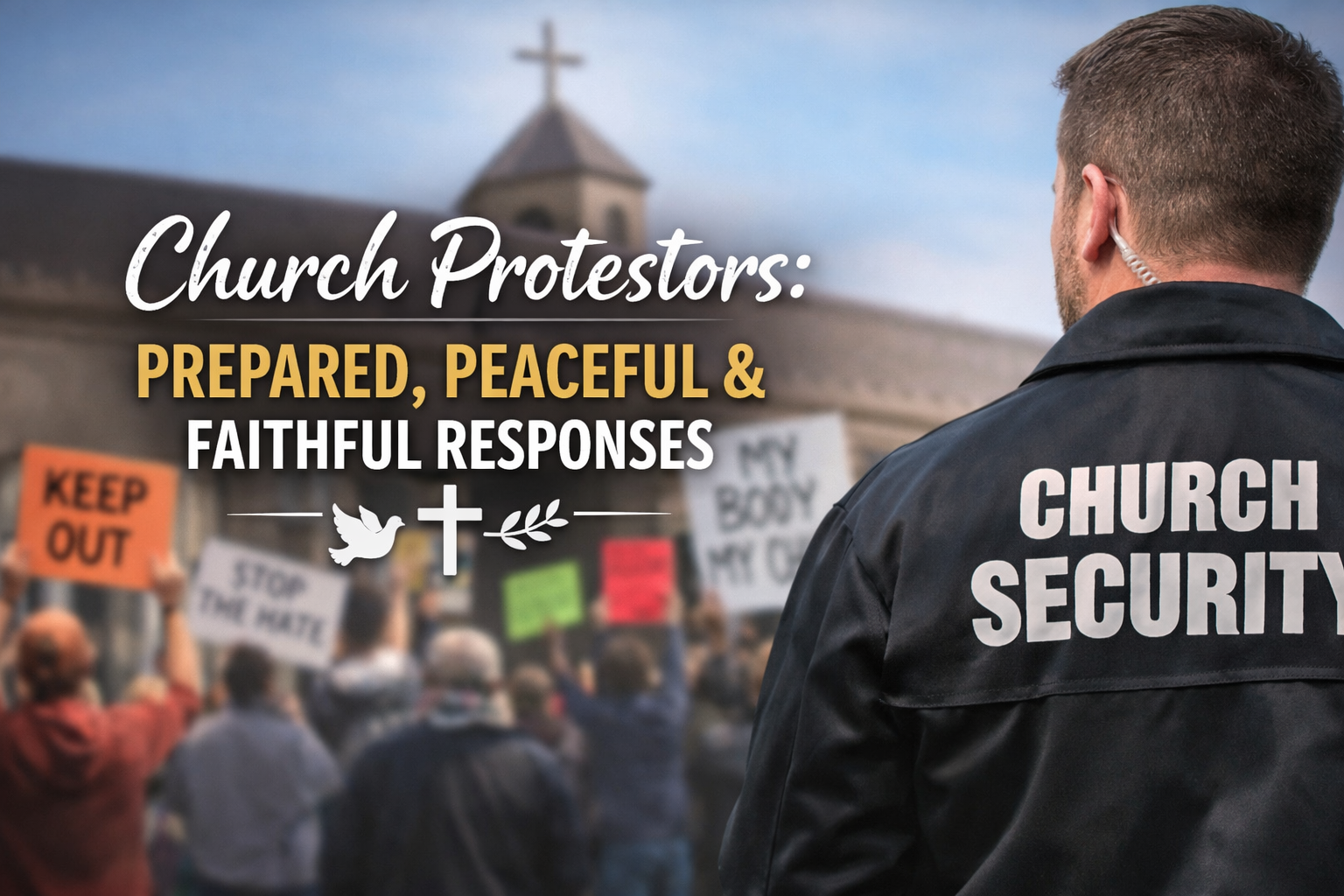
Creating a safe place for worship isn’t just a best practice—it’s a sacred responsibility. In a world where churches face increasing risks and unforeseen challenges, recruiting and vetting safety volunteers is one of the most important ministries a church can build. This process goes far beyond filling roles—it’s about identifying and equipping spiritually mature, trustworthy individuals who are called to protect the body of Christ with wisdom, humility, and prayerful diligence.

When done with intentionality and purpose, your safety team becomes more than a group of vigilant responders—it becomes a spiritual fellowship, united by the shared responsibility to safeguard God’s people and His House.
Church safety and security should never be framed as just a “volunteer opportunity.” At its core, it is a Calling. When we invite others into this ministry, we’re calling them into a purpose-filled role—to be spiritually alert, faithful protectors of those God has entrusted to our care.
A well-organized safety team is not just a leadership function—it’s a ministry of prayer, presence, and protection. Done right, it reflects the very heart of Christ: standing in the gap for others, serving quietly and faithfully, and helping create a place where God’s people can worship without fear.
Recruiting and Vetting Safety Volunteers
If church safety is a calling, then recruiting must be intentional and relational. Whenever possible identify and recruit from within the congregation, mature members with experience, training, and skillsets congruent with this important role and responsibility. Current and retired public safety and military personnel are primary candidates due to the training and risk management experience engrained in these occupations.
Here are ideal areas where safety team members often emerge naturally:
- Post-service fellowship times
- Men’s and women’s ministries
- Small group and discipleship meetings
Look for those who are spiritually grounded, calm under pressure, loving and compassionate communicators. Most importantly, seek those who serve with humility and are already known in your congregation as mature and trustworthy.
Treat Your Team as a Fellowship – Not a Function
True fellowship is built on more than shared duties — it’s built on faith, trust, and spiritual connection. Your safety team should feel like a spiritual family, not just a volunteer group. True fellowship means walking together in faith, bearing one another’s burdens, and growing together in Christ.
When your team sees itself as a Christ-centered group of believers called to protect and serve, it will not only endure – it will also thrive.
Recruiting and Vetting
A Spirit-Led Vetting Process
Churches must have a standard vetting process in place (policy & procedures) that every volunteer candidate goes through. This is not done out of fear or distrust, but out of spiritual stewardship and legal responsibility. Pastoral Recommendations, Application Process, Interviews, Background checks, and Reference Checks should be a part of the standard vetting process.
Background Checks
Many states now require electronic fingerprinting as part of the background check process for volunteers working with children or vulnerable adults. While this is a critical and necessary step, it should never be your only step. Background checks are a vital component of a broader safety plan—but they are just one layer of protection.
Churches should take a layered approach to screening, including tools such as:
- National Sex Offender Registry searches
- County criminal court checks (Court Orders – Restraining Orders)
- Social Security address traces (to confirm all prior places lived and worked)
These additional layers help identify potential red flags that standard fingerprinting methods, such as Live Scan, may overlook. Live Scan (digital fingerprint system used by many states) does not automatically pull out-of-state offenses, cases plead down (sexual assault down to a simple assault, etc.), court orders issued, unless linked to a fingerprinted conviction.
Using faith-based background check providers can help eliminate these gaps by offering church-specific expertise and biblically grounded service. Comprehensive screening is essential because incomplete or inconsistent background checks are one of the most common areas of liability for churches and ministries today. It’s also important to remember that background checks—whether for employees or volunteers—are subject to the Fair Credit Reporting Act (FCRA), which governs how information is collected, used, and shared.
As stewards of God’s people, we are called to guard the flock with both prayerful discernment and practical diligence. Protecting your church begins with knowing who you’re entrusting with that sacred responsibility. Grace and discretion are part of the process – not just compliance.
Helpful Resources
- National Sex Offender Public Website (NSOPW) – For national sex offender registry searches
- Ministry Defender: Safehiringsolutions
- The FCRA and Background Checks: A Complete Guide
“Be shepherds of God’s flock…watching over them—not because you must, but because you are willing…” – 1 Peter 5:2
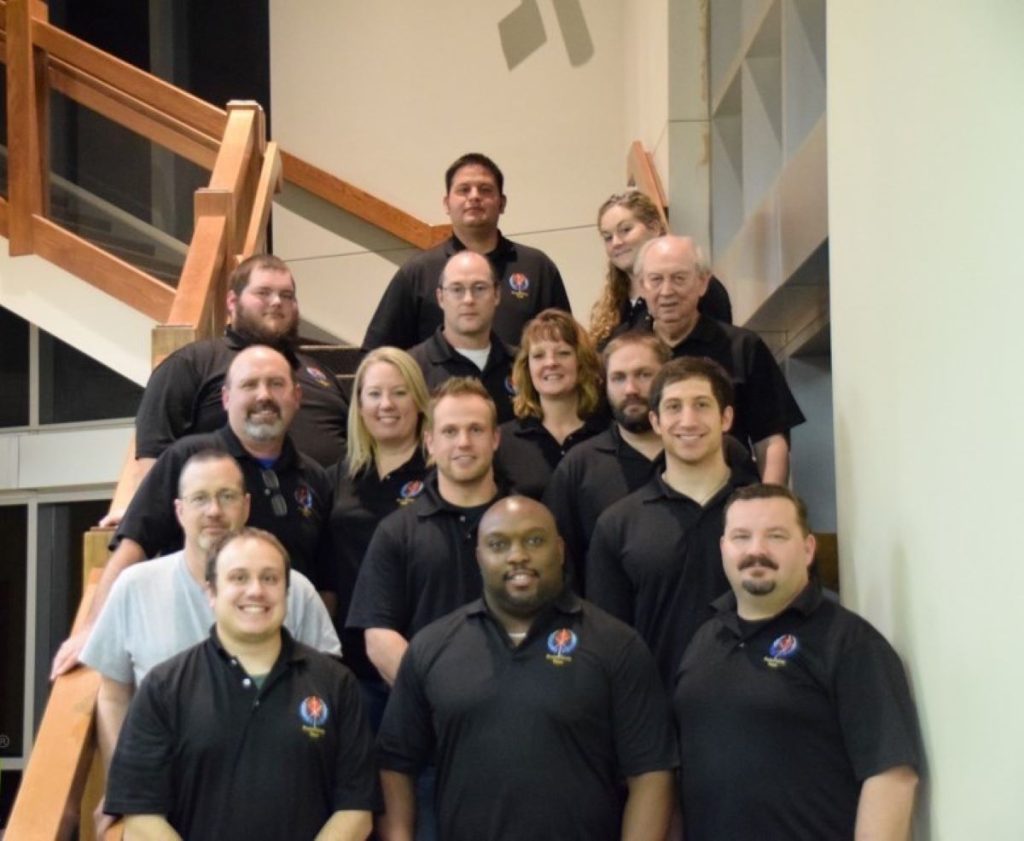
Build A Team That Lasts
Recruitment is only half the battle—retention is where the real ministry happens.
When your church safety team is viewed as just another volunteer group, long-term retention will always be a challenge. That’s why team leadership should focus on building a culture of belonging and discipleship.
This includes regular spiritual check-ins with team members, consistent training refreshers, quiet recognition for their service, and intentional opportunities for fellowship and connection—from BBQs and team outings to providing service to other church members in times of need.
When people feel spiritually nourished and relationally connected, they don’t just show up – they stay.
If you’re looking for a place to serve where purpose, spiritual growth, and real connection intersect, let it be here. Successful, long-term volunteer safety teams are about discipleship, loyalty, and becoming a spiritual family that endures through every season.
FAQ
Yes. Personal familiarity doesn’t replace a legal and ethical vetting standard. Background checks protect your congregation, your ministry, and the volunteer themselves.
Absolutely. Every person brings unique perspectives and strengths to safety ministry. Spiritual maturity, wisdom, compassion, and life experience aren’t gender specific.
Review every case with confidentiality and grace. Some issues are disqualifying; others may not be. Seek prayer and pastoral counsel when needed and always prioritize safety and church policy.
A very common mistake is over-reliance on your most dependable team members. While their consistency is a gift, leaning on the same individuals too often leads to burnout. To build long-term strength, and to help people grow into the person God is developing, intentionally rotate responsibilities and scheduling, involve the full team, and avoid creating unspoken expectations for a few to carry the weight of the many. A healthy safety ministry shares the load – not just the schedule.
Create The Team
If your church doesn’t yet have a safety team—or if your current team operates more like a general volunteer group—it’s time to prayerfully consider building something deeper. The model described in this article isn’t just about security—it’s about ministry. It’s about forming a fellowship of spiritually grounded individuals who serve with intentionality, humility, and prayer.
Equip your church with a team that protects, serves, and grows together in Christ. A well-led safety ministry doesn’t just reduce risk—it strengthens the body, glorifies God, and builds lasting trust within your congregation. These watchmen and women stand in the gap, not for recognition, but out of loyalty to the Lord and love for His people. Their quiet presence speaks peace, their faith drives their vigilance, and their service reflects the heart of Christ.
Summary
A well-vetted, spiritually grounded safety team isn’t just a program—it’s a ministry of presence, purpose, and protection. You don’t need to be perfect—you just need to be willing. If you’re looking for a place to serve where your walk with Christ deepens, your gifts are used for Kingdom purposes, and your presence truly matters—this is the place. Church safety teams aren’t just about guarding doors… they’re about guarding hearts, honoring Christ, and creating a space where God’s people can worship in peace.
Sources
Ministry Defender Solutions, Learning Zone/ Online Child Abuse Prevention Training
Church HR Network, December 2024 – Identifying Grooming Behaviors in Ministry Settings
Related Content
Publication Resources

oUR cOMMITMENT TO yOU
Our church safety & security blog, newsletter, and FREE Resource Library, is provided at no cost to strengthen and support church safety programs. This work is made possible by those who support us through the purchase of our guidebooks and faith-based policy templates. We invite you to explore our publications on AMAZON or in our ONLINE STORE. Your support helps us continue serving those who serve His Church.
Public Safety Training LLC would be honored to assist your church and safety team in any way we can. Contact us today!
aUTHOR
Michael Elerick is the President of Public Safety Training LLC and a retired Special Operations Commander and SWAT Commander. A career law enforcement professional with over 30 years of experience in risk management, tactical operations, and security; he served as Executive Director of the Public Safety Training Institute from 2010 to 2020.
Since 2010, Michael has trained and consulted with faith-based organizations across the country. He is the author of Church Safety & Security 101, Emergency Preparedness for Church Volunteers, Church Safety Team Development, Church Emergency Operations Plan (EOP), and other works focused on equipping ministries to protect their people and fulfill their mission.
Please Share this information – Spread the Love!