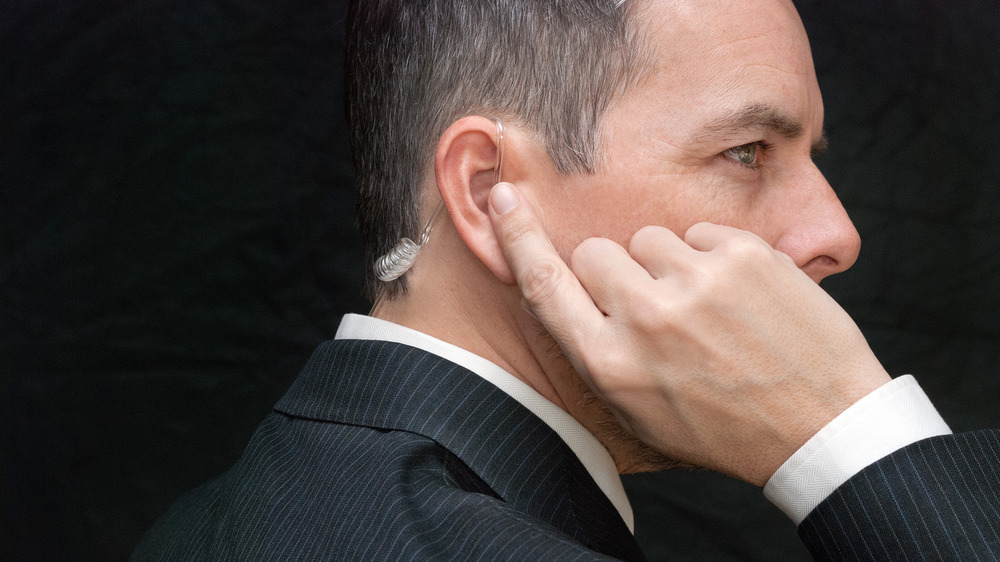
Having excellent Verbal Communication Skills is a required trait for a church security team. A member’s ability to communicate effectively with others, especially during emotional and stressful situations, is important. Verbal communication skills, when strategically used, work to calm, and de-escalate conflict, gain trust and compliance, and can change a threatening situation into a peaceful resolution.
In addition to verbal communication skills, non-verbal cues can play a crucial role in effective communication. In this post we will discuss deploying conflict resolution strategies, and communication strategies, such as Command Presence, Active Listening, and Non-Verbal Communication, that can be used to de-escalate conflict. We will also talk about controlling our body language and how it can enhance or hinder effective communication.
All of these are important training issues for church security teams in an effort to master verbal communication skills.

Author’s Church Security Publications: Click Here
Mastering Verbal Communication Skills
Assessing how a person is verbally communicating during conflict is one part of the process, being attuned to body language, gestures, and facial expressions can provide valuable insights into the individuals’ emotional state and intentions. Active listening skills are paramount in fostering trust and rapport with people. By genuinely listening to concerns and grievances, security team members demonstrate empathy and understanding, which can help diffuse tensions and prevent conflicts from escalating.
Conflict Resolution
In conflict resolution, it is crucial to first assess a situation before saying anything. Once you have assessed the situation you can then determine an appropriate verbal response to begin communication. Understanding the dynamics of the situation allows you to adapt your communication, style, and tone, effectively.
When employing a conflict resolution strategy, the way you communicate can change depending on the situation. Sometimes, you need to be direct and give firm instructions. Other times, it may be better to speak gently and use careful words. Knowing when to use each type of communication strategy is key.
Dynamics Involved Include:
- Number Involved: The number of individuals involved can impact the dynamics of the conflict and the approach you may need to take.
- Nature of Conflict: Determining the root cause of the conflict provides a better understanding of the issues involved.
- Security Risks: Assessing potential security risks for all involved, including yourself and others present.
- Emotional State: Recognize the emotional states of those involved in the conflict and respond with empathy and understanding.
- Communication Styles: Consider the communication styles of the individuals involved and adapt your approach accordingly.
- De-escalation Techniques: Employ de-escalation techniques to defuse tension and promote calmness.
- Resolution Strategies: Identify strategies to resolve the conflict peacefully and effectively whenever possible.
- Church Policies: Ensure that conflict resolution efforts align with the policies and values of the church.
By using conflict resolution tactics and strategy and understanding the different dynamics that may be involved, you can better manage, mitigate, and resolve conflict.
Communication Strategies
Communication strategies encompass various approaches and techniques aimed at facilitating effective interaction and understanding between individuals or groups in conflict. These strategies often involve active listening, clear and concise verbal expression, and nonverbal communication skills such as body language and facial expressions. By employing these strategies, church security members can enhance their ability to convey messages clearly and effectively, resolving conflicts constructively, and fostering positive relationships in both personal and professional contexts.
Communication Strategies Include:
- Active Listening: This involves fully concentrating on the speaker, understanding their message, responding thoughtfully, and remembering the information.
- Clear Messaging: Ensuring the message is simple, direct, and absent of “Slang” so that it can be easily understood by the receiver.
- Nonverbal Cues: Using body language, facial expressions, and tone of voice to reinforce the spoken message to convey empathy or assertiveness when needed.
- Command Presence: Projecting confidence, authority, and control through verbal and nonverbal cues. It involves adopting a demeanor and tone that conveys leadership and inspires respect and compliance from others. Command presence is essential in situations where church security needs to assert control, manage conflicts, and ensure safety, as it establishes a sense of authority and reassurance among those involved.
- De-escalation Techniques: Methods used to reduce tension and defuse potentially volatile situations. These techniques involve actively listening to the concerns of others, remaining calm and composed, empathizing with their emotions, and using verbal and nonverbal communication to convey understanding and promote peaceful resolutions. De-escalation techniques aim to prevent conflicts from escalating further and foster cooperation and understanding among individuals involved.
Non-Verbal Communication
Non-Verbal Communication encompasses the transmission of messages and information through means other than words. This includes facial expressions, gestures, Paralinguistics (tone of voice), body language, Proxemics (personal space), eye gaze and haptics (touch). Non-verbal communication plays a crucial role in conveying emotions, attitudes, and intentions, often complementing or contradicting verbal messages.
Non-Verbal Communication Examples:
- Maintain an upright posture and confident stance.
- Make direct eye contact to establish engagement.
- Use hand gestures purposefully to emphasize key points.
- Stay calm and composed to project a sense of control.
By paying attention to non-verbal cues and effectively utilizing them, individuals can enhance the clarity, impact, and understanding of their communication interactions. When your verbal and non-verbal communication aligns, you project a more authoritative and trustworthy presence.
Situational Adaptability
Situational adaptability refers to the ability to adjust one’s communication style and tone based on the specific circumstances involved in the conflict. Church security members may need to be flexible and responsive to the dynamics, context, and individuals involved in conflict. Situational adaptability requires assessing the environment, understanding the goals and preferences of the involved, and tailoring communication strategies accordingly to maximize effectiveness and achieve desired outcomes.
Situational Adaptability allows security team members to navigate diverse situations, address challenges, and build rapport with others more effectively. A members ability to adapt communication style to different situations is important. Consider the context, individuals involved, and primary objectives when choosing a verbal approach.
Considerations:
- Tailor language and tone to the specific audience and environment.
- Be aware of cultural and linguistic considerations when interacting with diverse populations.
- Adjust your communication style to the level of cooperation or resistance encountered.
- Continuously assess the situation and adapt your communication as needed.
- Being flexible and adaptable in verbal communication allows you to respond effectively to the unique challenges presented.
In church security, mastering verbal communication skills is a perishable skill. Regular training sessions are important to maintain proficiency. By maintaining a training standard within the church security team to train on verbal communication and de-escalation techniques periodically, team members will sharpen these skills helping them to ensure a readiness to respond and handle any conflict in the future with compassion and professionalism.
FAQ
Having good verbal communication skills is essential for church security team members because it enables them to effectively manage and de-escalate potential conflicts, convey important information clearly, and maintain a calm and reassuring presence during emergencies. Clear communication helps ensure that team members can quickly and accurately share critical details with each other and with the congregation, minimizing confusion and preventing misunderstandings.
Church security members can effectively de-escalate tense situations by employing a combination of calm and welcoming demeanor, active listening, and clear communication. By approaching individuals calmly and respectfully, they can create an atmosphere of trust and reduce immediate tensions. Active listening involves giving full attention to the person, acknowledging their concerns, and responding empathetically, which can help to defuse anger and frustration.
Clear and concise communication is crucial, as it allows security members to convey their intentions and instructions without escalating the situation further. Additionally, maintaining open body language and a non-threatening posture can signal to the agitated individual that the security member is there to help, not to confront.
Understanding and respecting the diverse backgrounds, traditions, and values within the congregation is important. This includes being aware of cultural norms related to personal space, gestures, and eye contact, as these can vary significantly and impact how communication is received. By fostering cultural awareness and sensitivity, security members can build trust and rapport, ensuring a welcoming and inclusive environment for all congregants.
related content
publication resource
Summary
When dealing with conflict, a church security teams greatest weapon is Effective Communication. Verbal communication skills are indispensable tools that help team members carry out their safety and security role while building strong interpersonal relationships safeguarding the church and congregation. By honing an ability to communicate effectively and strategically in order to defuse conflict and gain compliance, significantly enhances church security members effectiveness in this role.
resources
- VeryWellMind: Types of Nonverbal Communication
- Psychology Today: Managing Conflict Resolution Effectively
Public Safety Training LLC is here to serve and has established training and consulting programs and publication resources available to help. We would be honored to assist your church and security team in any way that we can. Contact us today!
Michael Elerick
Michael Elerick is the President of Public Safety Training LLC, a church safety and security training and consulting company. He retired from law enforcement as a Special Operations Commander and SWAT Commander. He served as the Executive Director for the Public Safety Training Institute (2010-2020), a non-profit public safety training organization, and has over three decades of experience as a Risk Manager and Security and Tactical expert. He is the author of Church Safety & Security 101, Emergency Preparedness for Church Volunteers, Church Security Team Development, Church Emergency Operations Plan (EOP), among other works.