
What is Church Safety and Security? It is a mindset that we want to nurture within the church. This starts when we encourage our staff and congregation to be our eyes and ears, focused on and being responsible for protecting one another. Over time this mindset becomes the culture of the church, which is a very good thing!
When this happens the church has a greater chance of identifying risks and threats early before they become problems that can cause harm. If a significant risk or threat does occur, a church safety team should be in place to safeguard staff and the congregation until public safety responds and takes over. In this post we will talk about what Church Safety & Security is, why every church should have a safety team in place (even if it’s a team of one), and how churches can empower their staff and congregation to be an early warning system that identifies risks and threats before they can harm the church.
What is Church Safety & Security
In the Risk Management world there is a legal term called “Due Diligence.” Defined as the Effort made by an ordinarily prudent or reasonable party to avoid harm to another party. Sheepdogs are a sheepherder’s due diligence to protect their sheep from wolves who are known to prey on them.
The sheepherder puts trained sheepdogs into his flock to protect them. Failure to make this Effort may be considered negligence (another legal term) if a sheep is later harmed by a wolf. The Sheepdog is a Sheepherders best practice to protect the flock.
A Church Safety & Security Program is a churches due diligence to protect church staff and congregation from being injured while attending a service or event on church property. In the church insurance industry, these programs are best practice. If someone is injured on church property and there is not a documented program in place, there is an argument to be made that the church failed to make its due diligence effort to protect the person from being harmed.
No business, organization, or government entity is exempt from due diligence; lawyers refer to this as “Duty of Care.” Think about where you work or go to school and consider the safety policies and training that is in place that you are required to know and participate in. This is the Effort entities must make to keep you and others safe within their environment and works to limit liability should someone be harmed on their property.
Church safety and security programs accomplish the same result for churches while giving their members a greater sense of safety and security when attending church functions.

What is Church Safety?
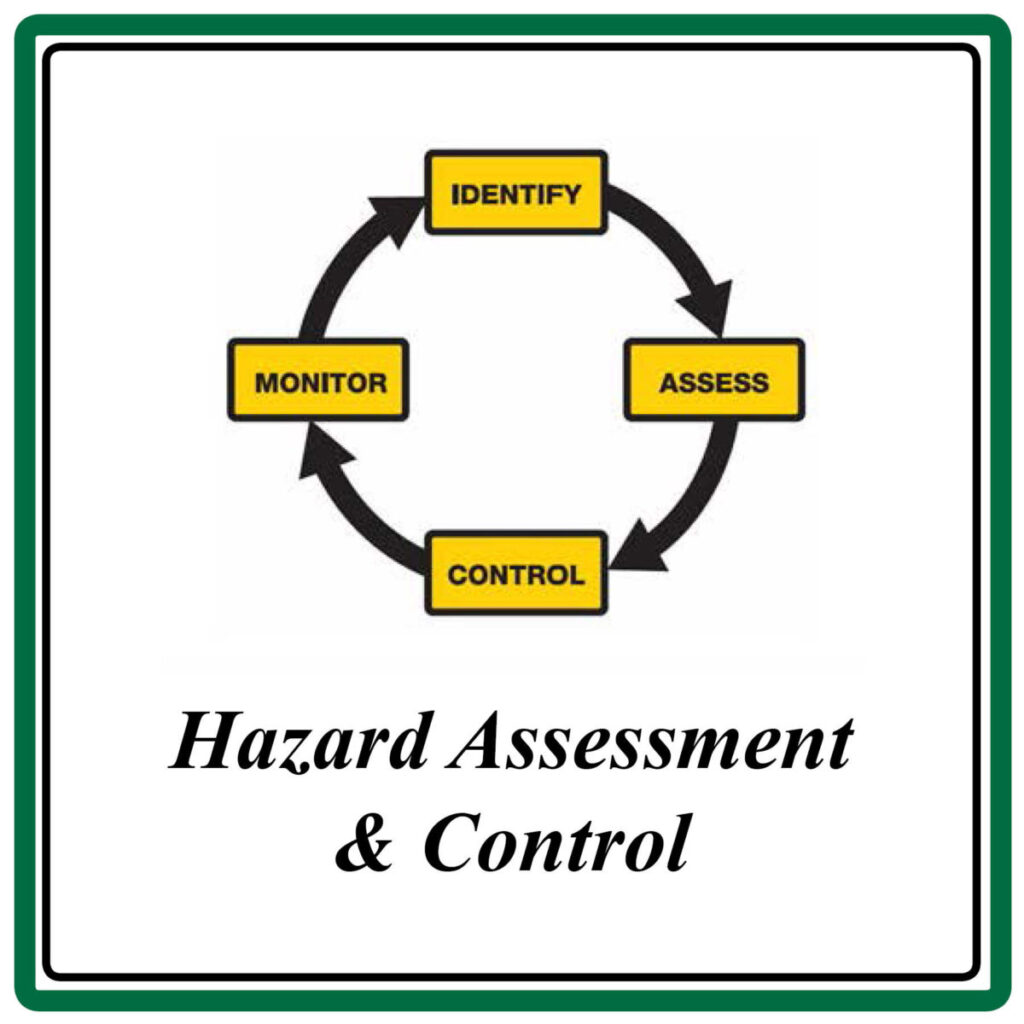
Safety is defined as the Control of recognized hazards to achieve an acceptable level of risk. Identifying church Safety issues is something we want to empower everyone within the church to do. We want our congregation to be the eyes and ears of our church, an early warning system that can alert the church to risk and threat hazards so the church can respond quickly to mitigate them.
Examples of Church Safety Hazards:
- Trip, Slip, and Fall Hazards: Liquid spills on flooring; loose flooring and carpet corners and seams coming up; vinyl tile corners and seams lifting; entrance mats whose corners peel up; cracked and raised concrete; parking lot potholes; seasonal hazards with rain, snow and ice create significant slip and fall issues; playground and grass areas with rodent holes (gopher holes), etc.
- Repairable Hazards: Broken windows, doors, locks, burned out lighting especially around entry/exit points, poor or no parking lot lighting, signage, overgrown shrubs/trees and foliage around property and building perimeters.
- Mechanical Failures: Air Conditioning, Heating and Electricity not operational; escalators, elevators, automatic doors not functioning; Emergency back-up generator inoperable; fire alarms and security system inoperable.
- Medical Emergencies: Slip, Trip and Fall issues can cause injuries from minor abrasions and bruising to broken bones to significant head and neck injuries; strokes, heart attacks; choking incidents; accident injuries; assault related injuries.
- Suspicious People and/or Behavior: A person(s) carrying property out of the church at an unusual time; a person(s) going door to door or window to window checking for one that is open/unlocked; a person(s) pulling on car door handles, looking into vehicles; a person(s) forcibly entering a locked vehicle or door; Car or person(s) circling the church property; a person(s) exhibiting unusual mental or physical behavior.
We encourage churches to empower their congregations to act when they see a safety hazard. If a medical or life-threatening emergency is observed call 9-1-1 immediately.
see something – say somethinG!
If a safety hazard is observed, and it is not life-threatening, notify the church office or a church leader so they can respond immediately to evaluate and repair. The church should document the hazard (Date/Time/Reporting Party/Hazard) and its disposition once known. All of these actions should be memorialized and retained in a church safety record log and cross referenced with a Church Incident Report (if applicable) that provides historical proof of the churches actions and results toward mitigating known risks.
Medical Emergencies are safety issues
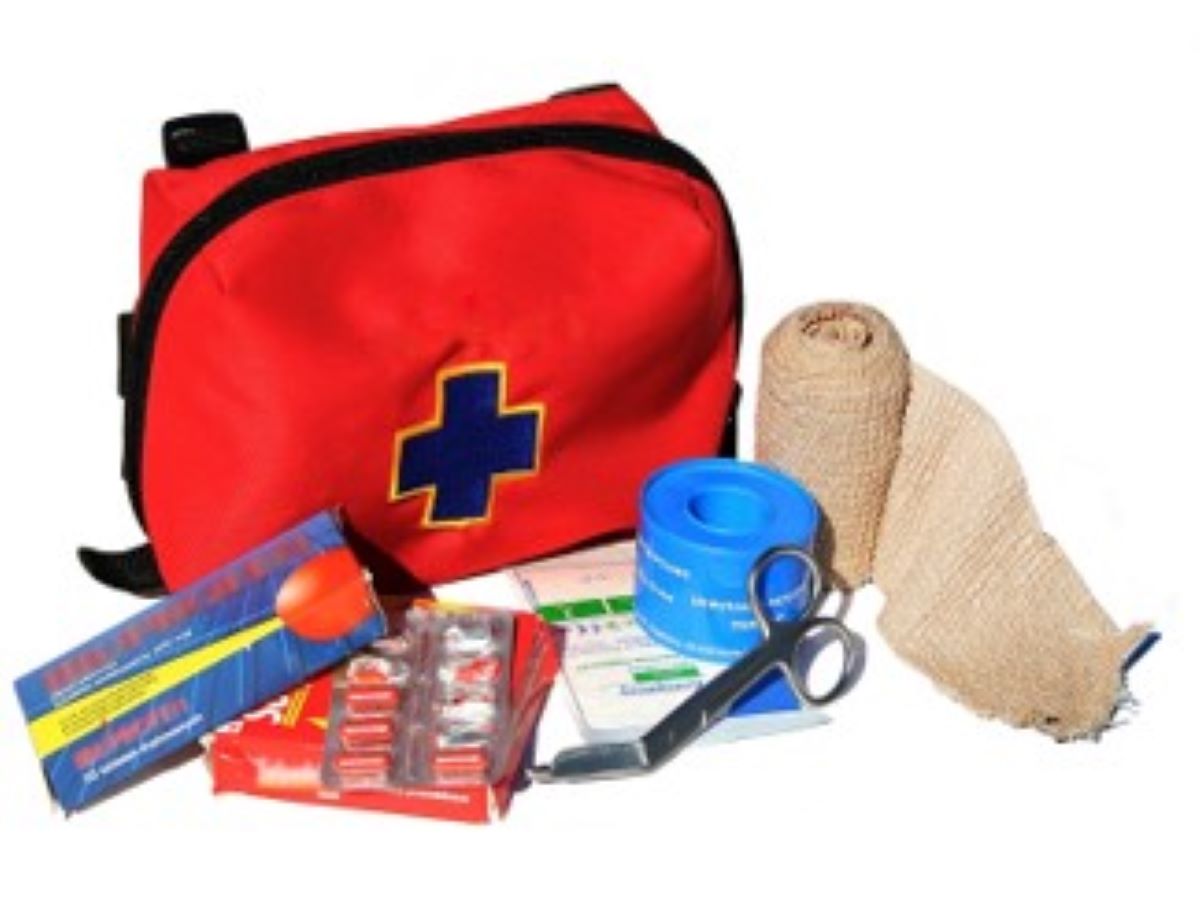
Medical Emergencies & Illness are very common and are considered Safety issues if the church has a procedure in place to address them. By having trained personnel on site (volunteer or otherwise) and/or a policy and procedure in place to call 9-1-1 immediately upon observing someone in need of medical care, we increase the chances of a positive outcome. We also, as a church, are following through on our due diligence, or duty of care, responsibility by making the effort to mitigate known risks.
What is Church Security?
There is a significant difference between Church Safety & Church Security. We talked about Safety being the Control of recognized hazards to achieve an acceptable level of risk; and an ideal church culture is one where everyone feels empowered to report any safety hazard observed. Now let us talk about Security, because it is vastly different and requires immediate action by trained personnel.
Church Security can be defined as: “Protection; defense; a degree of resistance to, or protection from, harm. It applies to any vulnerable and valuable asset, such as a person, dwelling or organization; security provides a form of protection where a separation is created between the assets and the threat.”
It is important to understand that church security is a protective action taken to separate a threat from an asset. Church security in simple terms is putting a trained human barrier between a threat and church staff and/or congregation whenever a threat appears. Unlike church safety, we do not want to empower our church members to get involved in security issues other than calling 9-1-1 and reporting it.
Only trained staff and volunteers specifically chosen through a vetted process to act within a church security role.
Examples of Church Security Issues include:
- Act of Violence
- Disruptive Person/Group
- Restraining Order Violation
- Child Custody/Child Adduction
- Felony Crimes (Robbery/Burglary/Embezzlement)
- Child Abuse/Molestation
- Hostile Intruder/Armed Intruder
- Active Shooter
“If it’s Predictable, it’s Preventable”
Gordon Graham – Risk Manager
Churches are soft targets for crime. Our very nature of opening our doors and welcoming everyone in with open arms creates this soft target environment – and wolves will enter along with the flock from time to time. And when they do enter, they will look for opportunities.
Church staff and members can help eliminate these opportunities if we empower them to do so. Allow them to be the churches army of eyes and ears responsible for identifying hazards on church property and notifying an authority immediately. This helps to create a culture of safety and security throughout the entire church and a safe haven for staff and members to work, worship and fellowship within.
FAQ
A church safety team is a group of trained volunteers who help protect the congregation during services and events. Their role is to identify and respond to safety and security issues, provide aid during medical emergencies, and implement emergency action plans until public safety arrives. Team responsibilities may include risk assessments, emergency preparedness training, and responding to incidents such as medical events, suspicious persons, fires, or severe weather.
Unless the church is paying for professional security, all volunteer safety team members should be church members for a minimum of six (6) months before being considered for a church safety role. It is important that members are stakeholders in the church first; AND that leadership has a good sense of a member’s character and personality before being considered for a team assignment
Yes. Allowing staff to participate on the church safety team is a beneficial use of resources. Ministry workers (building maintenance, facility, sound and lighting crew, and others) often work during the week and/or nights when limited safety volunteers are available. Should something occur, they are trained and can respond and mitigate a risk or emergency until public safety arrives.
related content
- Active Threat
- Church Safety & Security Policy Manual
- Are Church Safety & Security Programs Necessary
Summary
We want to empower all church staff and members to be the eyes & the ears of the church. We want to instill a sense of responsibility into the congregation to be alert to all types of risk and threat hazards. When everyone is mindful of Safety & Security and everyone is conditioned to “See Something – Say Something,” we create an early warning system that benefits the entire church.
But, when a security issue occurs, only trained personnel, usually members of the church safety team, should intervene until public safety arrives to take control.
In a perfect world our churches would not be experiencing risk and threat hazards, and safety teams would not be a necessary component of church ministries. But that is not the world we are living in today. Because these risks and threats are increasing in volume each year, churches should empower their congregations to be an early warning system and alert for safety and security risks and to notify an authority (9-1-1 if life threatening) immediately when observed.
A church safety and security Mindset is not difficult to build nor achieve and helps to create a culture of safety and security for the entire church community.
Our Commitment To You
Our church safety & security blog, newsletter, and FREE Resource Library is provided at no cost to strengthen and support church safety programs. This work is made possible by those who support us through the purchase of our guidebooks and faith-based policy templates. We invite you to explore our publications on AMAZON or in our ONLINE STORE. Your support helps us continue serving those who serve His Church.
Public Safety Training LLC would be honored to assist your church and safety team in any way we can. Contact us today!
Author
Michael Elerick is the President of Public Safety Training LLC and a retired Special Operations Commander and SWAT Commander. A career law enforcement professional with over 30 years of experience in risk management, tactical operations, and security; he served as Executive Director of the Public Safety Training Institute from 2010 to 2020.
Since 2010, Michael has trained and consulted with faith-based organizations across the country. He is the author of Church Safety & Security 101, Emergency Preparedness for Church Volunteers, Church Safety Team Development, Church Emergency Operations Plan (EOP), and other works focused on equipping ministries to protect their people and fulfill their mission.
Please Share this information – Spread the Love!


