One of the highest priorities of a church, if not the highest, is the safety and security of the children entrusted in their care. Implementing Children’s Ministry Best Practices can help create a safe and nurturing environment where children can learn and grow, and parents and guardians can have peace of mind that they’re children are safe and protected. This post will discuss key best practices for church safety and security in the children’s ministry and why implementing these practices is important for both the church and the children.
AUTHOR’S CHURCH SECURITY PUBLICATIONS: Click Here
In today’s world, churches must ensure members feel safe and secure so that they continue to attend church services and activities believing that they and their families will be protected if something were to occur. From lost and missing children, custody issues, kids getting hurt and injured while playing, all the way up to child abuse, child molestation, and child abduction issues, there are many risks and threat hazards that churches must mitigate to ensure the safety and security of every child placed in their care.
Children’s Ministry Best Practices
In this post we’re going to discuss three of the most important child safety best practices that protect the children and the church from harm. Background Checks, Check-In/Check-Out Procedures, and “Training Your Team.” Implementing these three safeguards alone reduces the majority of children’s risk and threat hazards associated with church organizations.

Background checks
Conducting Background Checks is a primary Children’s Ministry Best Practice. These checks help to screen out individuals who may pose a risk or threat to children. Completing background checks and criminal history checks on everyone working with youth (staff and volunteers) BEFORE being assigned to a position is best practice. Ensuring the proper screening of all workers is the single most important security measure churches can take to protect the children entrusted in their care.
Case Example: NewSpring Church, SC
Multiple lawsuits have been filed against NewSpring Church alleging negligence in hiring and monitoring employees and volunteers. The lawsuits are in connection with the sexual abuse of at least ten children by Sunday School teacher Jacop Hazlett. A Background Check would have revealed a prior arrest in 2007 for sexual misconduct with a 13-year-old boy.
Churches should develop policy and procedures congruent with this best practice that ensures clarity and assists staff to facilitate the background screening and background check process. Having a Background Screening Policy and Background Screening Standard ensures every candidate is treated equally and staff has clear direction on process. It is also nice to have a policy and procedure already in place when a background check comes back with disqualifying information. Having policies in place beforehand will ensure the church is prepared to communicate appropriately with the candidate the background check findings and a clear path forward with no discretion.
Most states require pre-employment candidates, including volunteers, to pre-authorize the Background Check being conducted on them. Check with your state on any specific regulations that may apply to your church. Regardless of state requirement, we recommend all churches require a pre-authorization form completed as part of the hiring process. Candidates who decline to complete the form are unable to go further in the churches hiring process per policy.
Once the background check process is completed, the signed Background Authorization Form should be attached to the background check responses and kept secure in the church files. Background Checks are considered part of the employee/volunteer hiring process which falls under “Personnel File” and are to be maintained in a confidential and secure manner. Church policy should also include a requirement to update (Re-administer) the background check process every 2-3 years to ensure nothing has changed and to fulfill its due diligence requirement to ensure a safe and secure environment for the children in its care.
Check-In/Check-Out Procedures
For churches who have Sunday School programs, Daycare programs and School components to their ministry, using a secure check-in/check-out procedure is very important and eliminates significant risk for the organization. There are many programs available, and they vary in cost and technology from very low to very high and everywhere in between. It doesn’t matter what program the church is using as long as the program is being properly utilized to ensure the kids are safe and secure and accounted for at all times.
As important as having a Check-In/Check-Out program in place, is having policy and procedures around the program that provides clear guidance for staff and volunteers to facilitate the program ensuring the safety of the children. Below is a list of issues to be developed and articulated in the “Check-In/Check-out Policy and Procedure:
- Child Registration Process
- Child Identification Process
- Admittance Procedure
- Release Procedure
- Custody Issues
- Worker Identification Policy
- Contacting a Parent or Guardian while their child is in the churches care.
- Related Emergency Response Protocols (sick, ill or injured how the church will respond)
TRAIN YOUR TEAM
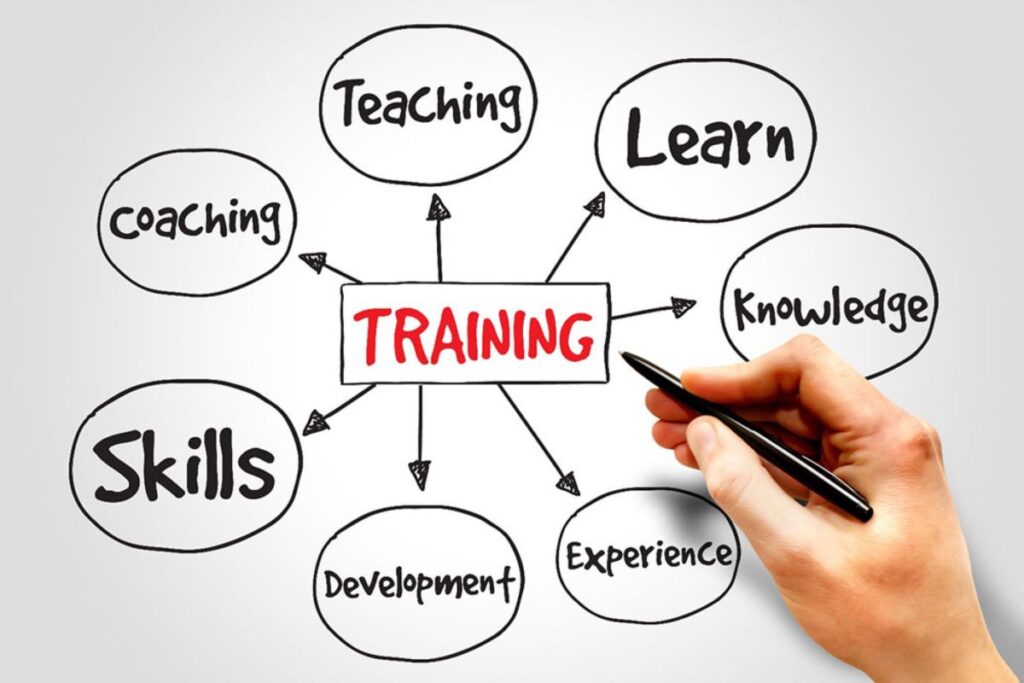
Over the years I have observed that almost all churches are short staffed within the youth programs and ministries. Because of this constant need for staffing and volunteers, many churches fail to train thoroughly newcomers before throwing them into the program to fill an assignment. Don’t make this mistake because it can, and has been, costly.
By failing to prepare, you are preparing to fail.
Benjamin Franklin
Untrained staff and volunteers have been the catalyst for many church liability suits when things go wrong. Untrained staff and volunteers have released children to the wrong parent or guardian, who did not have custody of the child; Untrained staff and volunteers have allowed young children to leave the classroom by themselves to go to the bathroom unsupervised and the child never returned; the internet is full of related stories and often the catalyst was a wonderful service minded staff or volunteer who was simply unaware of a policy or procedure and thought they were doing the right thing. Some bad outcomes could have been prevented if the person was trained properly before being allowed to serve in the assignment.
Establish a policy and procedure for training all new employees and volunteers. These wonderful hard-working servants need training specific to their new role prior to starting their new role and then on-going training to ensure their success and knowledge of church policy and protocols. This training is meant to safeguard the children, ministry workers, and the church.
Training topics may include Youth Program Policies, Check-In/Check-Out Protocols, Basic First Aid, Child Protection Practices, Emergency Preparedness and Response for Church Volunteers, Recognizing Child Abuse, Reporting Missing or Lost Child, etc.
Like all businesses, churches too can be impacted by failure to train lawsuits. If a church fails to provide basic and adequate training to its staff or volunteers, and this failure leads to someone being injured or harmed, the church could be held responsible and liable. Because of this reality, churches should place a high priority on their church safety and security training program.
Success depends upon previous preparation, and without such preparation, there is sure to be failure.
Confucius

In addition to the three Best Practices previously mentioned, Sunday School should be a secure environment with limited access points. A “Visitor Policy” should be in place limiting access and requiring them to be accompanied by a staff member or volunteer at all times. Physical security elements including Surveillance Cameras should be in common areas (while respecting privacy) to monitor activities and deter inappropriate behavior.
In general, there is a designated time for the check-in/check-out processes to occur; parents are required to sign-in the child and provide written information about the child and any medical/allergy conditions they may have. Matching ID tags (wristbands) are provided and placed on both the parent and child; this helps to ensure only authorized parents/guardians can pick up the child later. Verification of the parent’s ID, cross checked with the church list, will take place before a child is released to them. The complete protocol should be written within church policy and training provided to all church ministry staff and volunteers.
Parents can promote child safety by getting involved. Volunteer to help supervise children during worship services and events. Share safety concerns and suggestions with church staff and safety committees and encourage the implementation of safety policies that focus on child safety best practices.

Summary
Instilling these Children’s Ministry Best Practices in policy, procedure, and protocol within the church organization will, in most cases, scare off sexual predators looking for the opportunity to harm a child. This is a very good thing and one that church members will appreciate and embrace. Remember, the cost of being diligent is minimal when compared to the cost of being negligent.
Ensuring the safety and security of children placed in a church’s care is paramount. Implementing best practices such as background checks, secure check-in/check-out procedures, and training for staff and volunteers help create a safe environment for children to learn and grow. These practices not only protect children but also provide peace of mind for parents and guardians. These practices protect the church and help the church fulfil its duty to provide a safe and secure environment for the children.
Related Content
- Zero Tolerance for Child Abuse and Neglect
- Creating a Church Safety & Security Policy Manual
- Are Church Safety & Security Programs Necessary

Available in PDF and Editable formats. Request information at:
Public Safety Training LLC is here to serve and has established training and consulting programs and publication resources available to help. We would be honored to assist your church and security team in any way we can. Contact us today!
Michael Elerick is the President of Public Safety Training LLC, a church safety and security training and consulting company. He retired from law enforcement as a Special Operations Commander and SWAT Commander. He served as the Executive Director for the Public Safety Training Institute (2010-2020), a non-profit public safety training organization, and has over three decades of experience as a Risk Manager and Security and Tactical expert. He is the author of Church Safety & Security 101, Emergency Preparedness for Church Volunteers, Church Security Team Development, Church Emergency Operations Plan (EOP), among other works.