When seconds matter – every church needs an AED. Sudden cardiac arrest (SCA) can happen anytime – even in the middle of a worship service. In these moments, an Automated External Defibrillator (AED) can truly mean the difference between life and death.
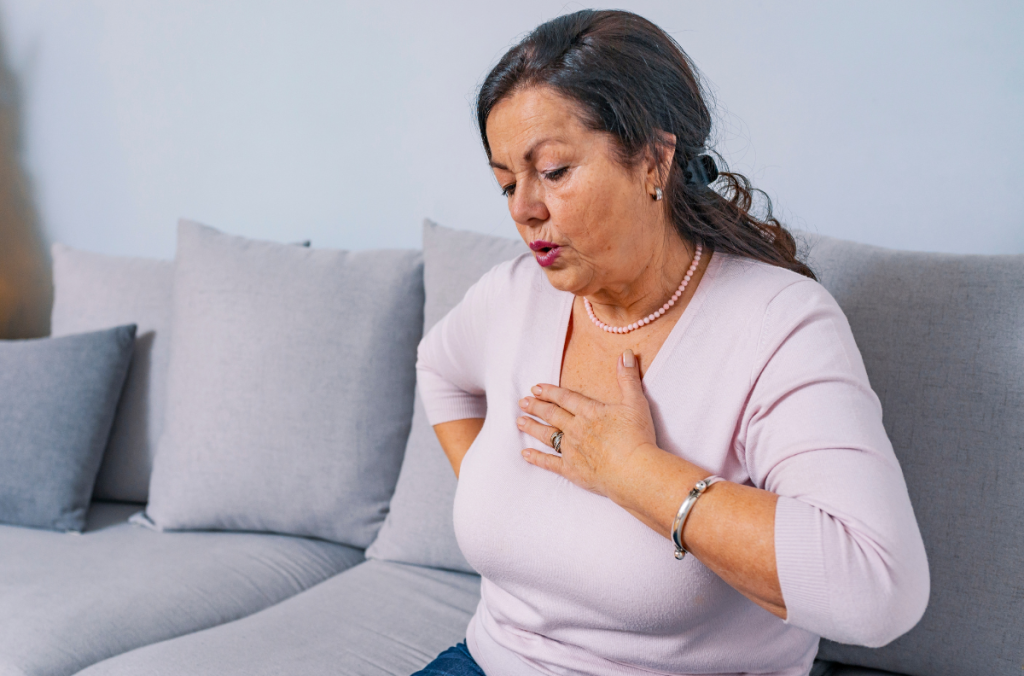
As stewards of God’s house, we are called to prepare for both spiritual and physical emergencies. This post explains why every church needs an AED, how to implement it effectively, and how to prepare your congregation to respond with calm and confidence during these types of medical emergencies (Free AED Policy Template below).
This page may contain an affiliate link. Learn More.
What Is An AED
AED stands for Automated External Defibrillator, a portable, user-friendly medical device designed to treat sudden cardiac arrest (SCA). SCA occurs when the heart’s electrical rhythm malfunctions, causing it to stop pumping blood effectively. An AED analyzes the heart’s rhythm and, if needed, delivers an electric shock to restore a normal rhythm. AEDs are equipped with voice prompts and visual instructions, making them accessible even to those with minimal training.
What Is an AED Used For
AEDs are used to treat life-threatening heart rhythms, specifically ventricular fibrillation (VF) and pulseless ventricular tachycardia, which are common in SCA. When applied promptly – ideally within 3–5 minutes of collapse – an AED can increase survival rates from less than 10% to up to 74% when paired with CPR (cardiopulmonary resuscitation).
Are AED’s Required in Churches
In the United States, no federal law mandates churches to have AEDs on site, and state laws vary widely. For example:
- California: Requires certain public facilities (e.g., gyms, schools) to have AEDs but does not explicitly include churches.
- Ohio: Mandates AEDs in schools and public recreational facilities but not churches.
- New York: Encourages AEDs in places of public assembly but does not require them for religious institutions.
Churches can check their specific state AED laws and regulations at AED Universe.
Why Churches Should Have An AED
While legal mandates vary, the moral and ministry-driven reasons for having an AED are far more compelling:
- High Risk of SCA: Over 356,000 out-of-hospital cardiac arrests occur annually in the U.S., with 88% happening in private settings like churches or homes. Older congregants are at higher risk. (Source: American Heart Association, 2024.)
- Time-Critical Response: For every minute without defibrillation, a person’s chance of survival drops by 7–10%. With EMS response times averaging 8–12 minutes, survival often depends on having an AED available on-site (Source: USCPRonline.com, 2024.).
- Community Trust: Churches that prioritize safety and preparedness send a strong message of care – strengthening both community confidence and congregational trust.
- Moral and Spiritual Responsibility: As places of worship and fellowship, churches have both a moral and spiritual duty to protect their people. A 2017 legal review even warned that churches may face negligence claims if they fail to provide reasonable emergency equipment, such as AEDs.
Just as the Good Samaritan responded in a moment of crisis, so too must we prepare to act in love and urgency when someone in our congregation collapses in need. A 2018 study published by the National Institutes of Health (NIH) found that survival rates reached 67% when bystanders used an AED, compared to 43% when EMS personnel administered defibrillation. The findings reinforce a critical truth: the sooner an AED is applied, the greater the chance of survival.
Why Some Churches Hesitate
Smaller churches hesitate due to cost, training, or legal concerns. These barriers are often easier to overcome than they appear:
- Cost: AEDs range from $1,000–$2,500, plus maintenance costs for batteries and pads.
- Training: Staff and volunteers should be trained to use AEDs with confidence, though minimal instruction is often sufficient due to the device’s user-friendly design.
- Liability Concerns: Good Samaritan laws and proper training mitigate fear of legal risks.
Grant Programs & Gifts
Explore funding opportunities to offset costs:
- American Heart Association (AHA): Partners with local organizations to fund AED placements. Check cpr.heart.org for regional programs.
- Access to AEDs Act (H.R.2370 / S.1041): Proposed 2023 bill to provide grants for AEDs in community settings. Churches may qualify if passed.
- Local EMS or Fire Departments: Some agencies offer grants or loan programs.
- Church Mutual Insurance: May provide safety grants or policyholder discounts.
- Crowdfunding: Churches can launch campaigns via GoFundMe or within church networks.
- Member Gifts: Many church members are willing to gift an AED purchase if they know there is a need. Ask God in prayer then communicate the need to your congregation in Newsletter or social media posts.
Churches are uniquely positioned to receive community support. Many donors are eager to fund life-saving tools for churches that serve as pillars in their communities.
Can Anyone Use an AED

AEDs are designed for laypersons with little to no training. They provide step-by-step voice prompts (e.g., “Place pads on chest,” “Stand clear”).
- Training is Recommended: CPR/AED certification from the American Red Cross or American Heart Association (AHA) boosts confidence.
- Pediatric Considerations: For children under 8 or 55 lbs., use pediatric pads if available.
- Legal Protections: Good Samaritan laws protect users acting in good faith.
Churches should encourage staff, volunteers, and safety team members to complete AED training as part of their ministry preparation.
AED Policy & Procedure
Church Policy Manual (Download our FREE AED Policy Template Above)
- AED Policy
- Designate an AED Coordinator for maintenance, training, and compliance.
- Require EMS notification after any AED use.
- Clarify who may use the AED.
- Include Good Samaritan law in your state.
- Keep records of maintenance and AED activations (Church Incident Reports).
- Procedures
- Activation: Call 9-1-1, start CPR, and retrieve the AED.
- Use: Follow AED prompts.
- Post-Use: Notify EMS, complete an incident report, and debrief.
- Maintenance: Monthly checks for battery, pads, and functionality.
- Documentation
- Maintain an Inspection Checklist and document any AED activation in a church Incident Report.
- Register your AED with EMS or PulsePoint to aid response.
Which AED to Buy
Churches should choose an AED based on ease of use, features, and reliability. We recommend AED.com (below link) who provides and services AED’s to public safety, hospitals, schools, and faith-based organizations. Click the button below to review their AED packages.
Considerations:
- FDA Approval
- Pediatric Capability
- Warranty (5–8 years)
Purchase these life-saving devices only from trusted vendors.
Supplies for AED Readiness
Stock the following:
- Adult and pediatric pads
- Batteries (check expiration)
- CPR barrier masks
- Non-latex gloves
- AED Quick Reference Guide
- Wall-mounted AED cabinet (unlocked and alarmed)
- Clear signage
Keep AED Supplies stored in a labeled bag with the AED.
Integrate AED’s into Emergency Plans & Training
- Emergency Action Plan (EAP)
- Assign roles: Call 9-1-1, CPR, AED retrieval.
- Map AED locations within 2-minute round trip.
- Include EMS access Points.
- Conduct quarterly response drills.
- Policy Integration
- Include AED protocols in the church safety manual.
- Require post-incident reviews.
- Training
All emergency responses should be conducted prayerfully, compassionately, and with a spirit of calm leadership.
EMS Notification
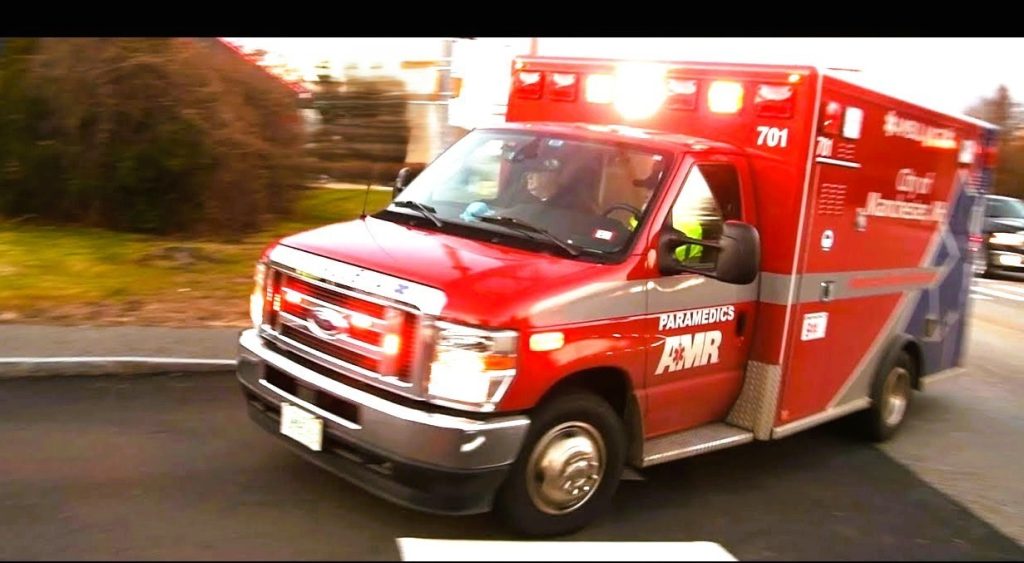
State law often requires EMS notification after an AED use – even if your state does not require notification, it is best practice, and we highly recommend your AED policy requires 9-1-1 to be activated whenever church staff or volunteers are responding to a medical emergency:
- Call 9-1-1 immediately
- Submit an AED activation summary (Church Incident Report Form) and provide a copy to EMS
- Review incident to improve future readiness
Failure to notify EMS may violate state law and hinder care.
Real-Life Church Examples of AED Saving Lives
- Parishioner Collapses During Mass (Catholic Mutual): During a Sunday Mass at a member parish, a man suffered sudden cardiac arrest and collapsed. Parishioners retrieved the AED within 90 seconds, delivered a shock using the device’s prompts, and revived him. He even returned to Mass just two weeks later. Their AED was routinely checked, visible, and part of monthly training protocol.
- Pick-up Basketball at a Church Gym (Christ Community Church): While playing a casual game at church, Matt Krueger suddenly collapsed. Teammates and a nearby Illinois State Trooper quickly administered CPR and used the church’s AED. A single prompt-led shock restored his heartbeat – before paramedics arrived. Matt later underwent bypass surgery and is recovering.
- Persistent Advocacy (Good Shepherd Christian): After persistent advocacy, the church purchased an AED through memorial donations. The following Sunday, Howard Campbell collapsed in cardiac arrest. Church members used the newly installed AED to save him. He has since become a vocal supporter for AEDs in places of worship.
- During a church board meeting (Luverne Christian Church), board member Don Bork collapsed from a heart attack. Members quickly accessed the AED on-site, delivered a shock, and saved his life. He later received a stent and fully recovered.
- Pastor saved (St. James United Church) just weeks after installing a new AED. A staff minister passed out in her office and another pastor immediately used the AED and initiated CPR. She was revived by the shock and paramedics arrived within 8 minutes and 23 seconds.
- Lakeshore St. Andrews Church (Canada): Revived a congregant during service, recognized by EMS.
- First Baptist Church (Dallas, TX): AED used during choir rehearsal saved a 60-year-old member.
- Grace Community Church (CA): Visitor revived at a community event, praised by EMS.
Medical emergencies are the number one risk all churches face, and these examples illustrate the power of preparation and having an AED nearby.
FAQ – Frequently Asked Questions
AEDs should be checked monthly for battery life, pad expiration, and functionality. Replace supplies as needed and follow manufacturer guidelines.
Yes, AEDs are designed for laypersons with voice prompts, but training is recommended for confidence and efficiency. Good Samaritan laws protect users acting in good faith.
Place AEDs in visible, accessible areas (e.g., near entrances, fellowship halls) within a 2-minute round trip. Use alarmed cabinets and clear signage.
Summary
AEDs are truly life-saving tools that reflect a church’s commitment to protecting life, honoring our stewardship, and responding to emergencies with both preparedness and compassion.
While not legally required, having an AED on-site is considered a best practice —and a powerful demonstration of Christlike care for those entrusted to our ministry. By developing strong policies, equipping your team through training, and incorporating AEDs into your emergency response plan, your church can stand ready to save lives—physically and spiritually—as faithful stewards of God’s house.
Call to Action
Start your church’s AED readiness today. Contact your local EMS agency to explore training and grant opportunities. Purchase an AED from a reputable vendor like AED.com — Share this post with church leaders and safety teams to help prepare the Body of Christ to respond when every second counts.
Related Content
Publication Resources

Our Commitment To You
Everything we offer – our church safety & security blog, newsletter, and FREE Resource Library, is provided at no cost to strengthen and support church safety programs. This work is made possible by those who support us through the purchase of our guidebooks and faith-based policy templates. We invite you to explore our publications on AMAZON or in our ONLINE STORE. Your support helps us continue serving those who serve His Church.
Public Safety Training LLC is here to serve and would be honored to assist your church and safety team in any way we can. Contact us today!
AUTHOR
Michael Elerick is the President of Public Safety Training LLC. A career law enforcement professional, he retired as a Special Operations Commander and SWAT Commander. From 2010 to 2020, Michael was the Executive Director of the Public Safety Training Institute. With over 30 years of experience as a Risk Manager and expert in security and tactical operations, he brings deep insight into protecting faith-based communities.
Michael is the author of Church Safety & Security 101, Emergency Preparedness for Church Volunteers, Church Safety Team Development, Church Emergency Operations Plan (EOP), among other works.
Please Share this information – Spread the Love!