What happens if someone has a heart attack during a church service, at a church-sponsored event, or even while walking across the church property? When responding to a possible heart attack, every second counts.
According to the CDC (Centers for Disease Control and Prevention), someone has a heart attack every 40 seconds in the United States. Every year, about 805,000 people have a heart attack. Of these, 605,000 are a “First Heart Attack,” and 200,000 happen to be people who have already had a heart attack. About 1 in 5 heart attacks are silent—the damage is done, but the person is not aware of it.
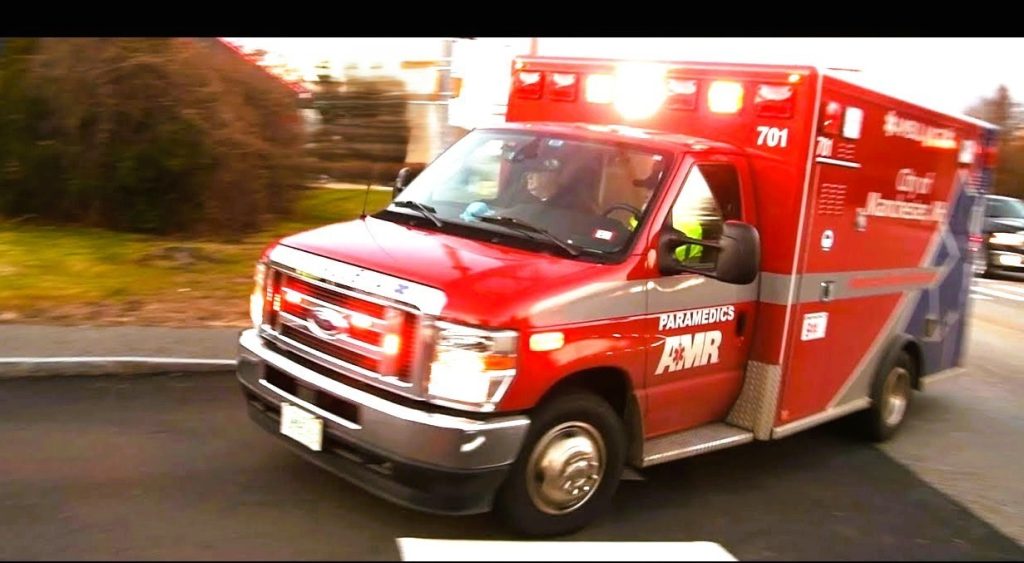
responding to A heart attack at church
Did you know that cold weather can put extra strain on our hearts? People with heart problems might be more affected by physical activity in the cold, especially if they’re also facing other health issues during the season.
- Is your safety team prepared to respond if someone in your congregation has a heart attack or experiences heart failure?
- Do you have members who are trained in CPR?
- Is there a defibrillator available on-site?
It’s important to be ready for these types of emergencies at church, especially in winter. Make sure that your congregation knows where to find the emergency equipment and that there are clear procedures in place to call for help. Training and drills can help ensure that everyone is prepared to act quickly and efficiently if a medical emergency occurs.
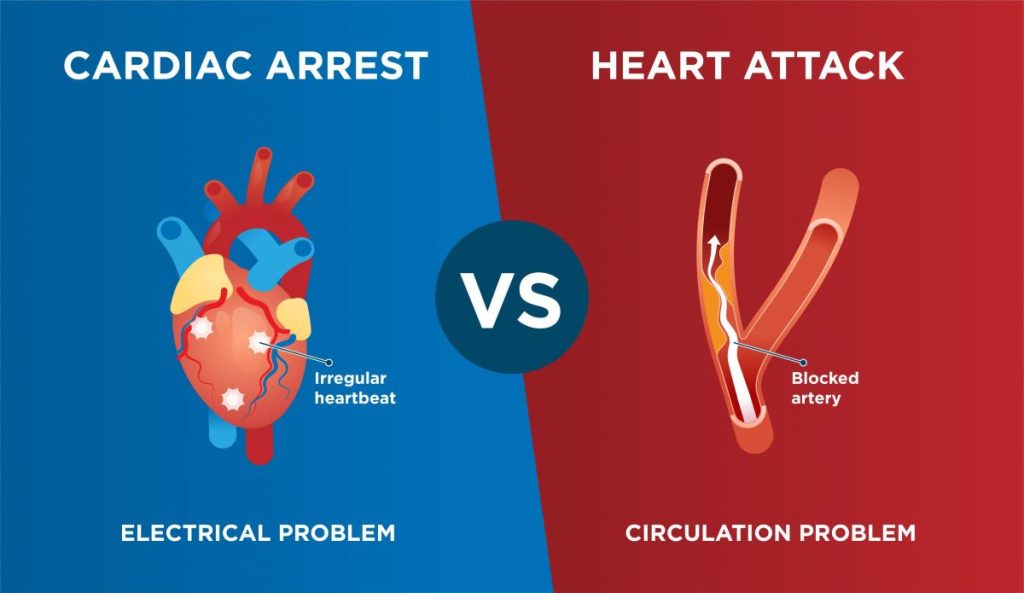
heart attack vs. cardiac arrest
A heart attack (myocardial infarction) happens when a part of the heart muscle does not get enough blood. The more time that passes without treatment to restore blood flow, the greater the damage to the heart muscle. Coronary artery disease (CAD) is the main cause of heart attack.
In addition to the 805,000 heart attacks that occur each year in the U.S., an additional 500,000 people experience cardiac arrest, a condition where a disturbance in the electrical system causes a severe spasm or sudden contraction of a coronary artery that stops the blood flow to the heart muscle and the heart stops beating.
In either situation, immediate medical help is vital — and may be the only thing that saves that person’s life. Sudden cardiac death (SCD) is the largest cause of natural death in the United States. Once someone goes into cardiac arrest, blood flow to the brain ceases, and with every minute the brain goes without blood, the greater the likelihood of permanent brain damage and/or death.
This is why having AED defibrillators on-site of your church is so important. Not only can the electric shock potentially restart the heart, but as more time elapses, the less likely electrical therapy is to be effective. So, in situations where cardiac arrest is suspected, immediately after contacting 9-1-1, it is crucial that manual cardio-pulmonary resuscitation (CPR) or an electric shock (AED defibrillation) be administered as soon as possible.
Portable defibrillators come with clear written instructions on the device, explaining how to use them and deliver electrical shocks as needed to reset the heart’s rhythm — and most have audio prompts that literally “talk” you through the process. So, even an untrained citizen bystander can save a person’s life. And you may find it comforting to know (unlike on TV shows) a defibrillator will not deliver a shock if the heart is not in cardiac arrest.
early warning signs of heart issues
Many people are unaware of the early warning signs of an impending heart attack or cardiac arrest. Often the symptoms are subtle (especially for women) and can come and go intermittently, sometimes over several months. So, it is very possible for someone who is just moments away from a serious heart issue to head over to the church to attend services as usual.
Unfortunately, the statistics indicate that only a small percentage of people who experience a sudden heart attack or cardiac arrest are likely to survive — but doctors estimate that perhaps twice as many people who suffer heart attacks could survive if they receive immediate medical help. This is why we recommend every church has staff and volunteers trained in First Aid, CPR and have AED’s on site and readily available.
According to the CDC, the major symptoms of a Heart Attack include:
- Chest pain or discomfort. Most heart attacks involve discomfort in the center or left side of the chest that lasts for more than a few minutes or that goes away and comes back. The discomfort can feel-like uncomfortable pressure, squeezing, fullness, or pain.
- Feeling weak, light-headed, or faint. You may also break into a cold sweat.
- Pain or discomfort in the jaw, neck, or back.
- Pain or discomfort in one or both arms or shoulders.
- Shortness of breath. This often comes along with chest discomfort, but shortness of breath also can happen before chest discomfort.
Other symptoms of a heart attack could include unusual or unexplained tiredness and nausea or vomiting. Women are more likely to have these other symptoms.
If you notice the symptoms of a heart attack in yourself or someone else, call 9-1-1 immediately. The sooner you get to an emergency room, the sooner you can get treatment to reduce the amount of damage to the heart muscle.
In some cases, a heart attack requires cardiopulmonary resuscitation (CPR) or an electrical shock to the heart to get the heart pumping again. Bystanders trained to use CPR, or an AED, can help until emergency medical personnel arrive. A heart attack can lead to cardiac arrest, so if someone shows heart attack symptoms, we must seek emergency medical help immediately. Remember, the chances of surviving a heart attack are congruent with the sooner emergency treatment begins.
Cardiac Arrest Symptoms (Sudden and severe):
Cardiac arrest occurs when the heart stops beating. It happens without warning, and the person collapses immediately. Symptoms include:
- Sudden collapse
- No pulse
- Not breathing
- Loss of consciousness
Unlike a heart attack, cardiac arrest requires immediate CPR and an AED (defibrillator) to restart the heart.

FAQ – Frequenctly Asked QuESTIONS
Yes, in most cases, Good Samaritan laws protect individuals who provide emergency care, including CPR or AED use, in good faith. These laws vary by state but generally protect non-medical responders from legal liability if they act voluntarily and without compensation; provide care in good faith and to the best of their ability; and do not act with gross negligence or willful misconduct
No, formal training is not required to use an AED, but it is highly recommended. AEDs (Automated External Defibrillators) are designed for anyone to use, even without prior training. They provide clear voice and visual instructions that guide the user step by step, including when to deliver a shock. Many models also analyze the heart rhythm and will only deliver a shock if necessary, making them safe for public use. Additionally, federal law (the Cardiac Arrest Survival Act) encourages public access to AEDs and provides legal protection for those who use them to assist someone in cardiac arrest.
Churches can enhance their legal protection and emergency preparedness in several ways: 1. Understanding and teaching their congregations that Good Samaritan laws protect staff and volunteers providing emergency care. 2. Providing CPR and AED training to staff and volunteers ensures a faster and more confident response. 3. Maintaining clearly marked, accessible AEDs and first-aid kits, along with regular inspections, is essential. 4. Having a written emergency action plan with scenario-based training improves a churches readiness. Through legal awareness, training, and preparation, churches can protect themselves while ensuring an immediate, effective response to medical emergencies.
related content
- Slip and Fall Hazards and Accidents
- Church Safety And Security Programs
- Church Security Team Use of Force
publication resources
Church Emergency Operations Plan (EOP)
summary
A heart attack or cardiac arrest can happen anywhere, even at church. Being prepared can mean the difference between life and death. Ensure your church has a readily accessible AED (Automated External Defibrillator), trained responders, and a clear emergency action plan. Educate staff, volunteers, and congregation members on recognizing the warning signs and responding immediately. When every second counts, preparation saves lives.
resources
CDC Centers for Disease Control and Prevention, About Heart Attack Symptoms, Risk, and Recovery: Article LINK
National Heart Lung and Blood Institute, What is a Heart Attack: Article Link
Public Safety Training LLC is here to serve and has established training and consulting programs and publication resources available to help. We would be honored to assist your church and security team in any way that we can. Contact us today!
author
Michael Elerick is the President of Public Safety Training LLC | Church Security-101. He retired from law enforcement as a Special Operations Commander and SWAT Commander. He served as the Executive Director for the Public Safety Training Institute (2010-2020), a non-profit public safety training organization, and has over three decades of experience as a Risk Manager and Security and Tactical expert. He is the author of Church Safety & Security 101, Emergency Preparedness for Church Volunteers, Church Security Team Development, Church Emergency Operations Plan (EOP), among other works.