
A Church Safety & Security Perspective
Churches and places of worship are meant to be sanctuaries of peace, love, and spiritual refuge. However, an unfortunate reality is that threats to faith-based organizations—ranging from crime and violence to active shooter incidents—are on the rise. To protect these communities, churches must have plans in place to respond quickly and effectively, minimizing harm until law enforcement arrives to resolve the situation. Concealed carriers have been credited with preventing many extreme acts of violence, stopping them before they could cause significant harm.

A critical component of a comprehensive church security plan involves concealed carriers (see Concealed Carry) – individuals authorized to carry firearms for personal protection. While these individuals can significantly enhance church security, their presence requires deliberate planning, coordination, and training, particularly in churches with dedicated security teams.
Church Safety Vs. Church Security
Church safety and church security are complementary but distinct elements of a church’s overall protection strategy.
- Church Safety focuses on preventing accidents, promoting a healthy environment, and preparing for emergencies such as fires, medical crises, or natural disasters. Safety measures include first aid/CPR/AED training, emergency preparedness, and violence prevention policies.
- Church Security, by contrast, addresses intentional threats, such as violence or active shooter situations. This involves trained personnel ready to respond to protect the church and its congregation during emergencies.
While church safety aims to prevent risks and safeguard the well-being of the community, church security emphasizes active response to real-time threats. Together, these components create a safe and secure environment for worship, fellowship, and ministry activities.
The Role of Concealed Carriers in church Safety Plan
Concealed carriers are law-abiding citizens authorized to carry firearms for self-defense. Their involvement in church safety can be a valuable asset during emergencies. However, integrating them into a church’s security plan requires careful consideration.
Every church needs a well-defined safety and security plan. Concealed carriers should be integrated into this framework with clear roles and responsibilities. Their duties and boundaries must be communicated to them, the congregation, and any existing security team.
Without clear guidelines, confusion and miscommunication can lead to dangerous consequences. For churches with or without an “armed” security team, concealed carriers must comply with the church’s established safety policies to be authorized to carry firearms on church property. This ensures alignment with security protocols and equips carriers to respond appropriately, with due regard for the safety of everyone else present, during emergencies.
The Role of the Church Security Team
The church security team plays a vital role in ensuring a secure environment for the entire congregation. Their mission extends beyond responding to immediate threats – they are trained to handle conflicts, manage critical incidents, and neutralize dangers while prioritizing the safety of everyone on church property.
Security team preparation involves more than firearm proficiency. It includes scenario-based training tailored to the unique dynamics of church security. Whether addressing concerns in the sanctuary, parking lot, or children’s ministry, the team works cohesively to coordinate responses, de-escalate potentially volatile situations, and uphold the church as a safe space for worship and community.
The church security team is tasked with maintaining order and managing emergencies, but they are not the only individuals involved in front-line responses. Concealed carriers must collaborate with the security team, whose training equips them to handle various crisis scenarios. Coordination is critical because, in the chaos of a crisis, uncoordinated actions can lead to catastrophic mistakes.
For example, a concealed carrier might misidentify a security team member as a threat, or intervene without full situational awareness, and vice versa. To mitigate such risks, churches should require concealed carriers to attend at least one (minimally) “Concealed Carrier” meeting every year, participate in joint training sessions with the security team, and follow clear communication protocols. These steps ensure that concealed carriers and security team members are familiar with each other, aligned in their roles, and well-prepared to follow the church’s emergency response procedures.
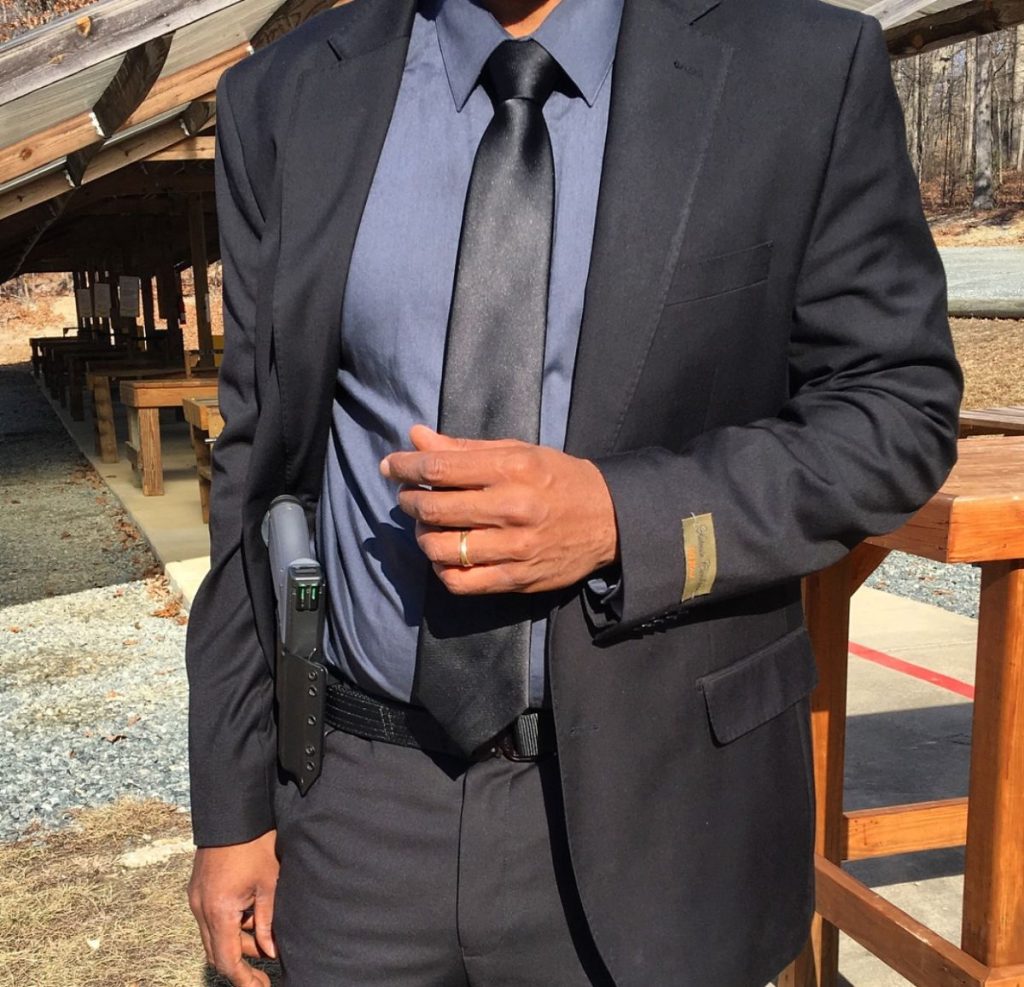
Concealed Carriers Training & Preparedness
Training forms the cornerstone of a successful church security plan, particularly for concealed carriers. While most concealed carriers meet basic firearm training requirements for their permits, additional training specific to the church environment is crucial. Churches should implement policies requiring concealed carriers to attend this training as a condition of being authorized to carry a firearm on church property.
Churches also have a legal duty of care to protect everyone on their premises. Allowing firearms introduces potential risks, which must be mitigated through safeguards – similar to how safety measures are established for vehicles on church grounds. If a concealed carrier refuses to comply with the church’s training requirements, the church must deny them authorization to carry on the property. This protects the broader community and limits the church’s liability.
Key components of concealed carrier training should include:
- Church Policy & Procedure: Concealed carriers must undergo annual training on church policies and procedures. This training should cover safety and security protocols, legal requirements for carrying firearms on church property, and emergency response plans. The goal is to equip concealed carriers with the knowledge needed to align their actions with the church’s safety plan, minimizing risks and promoting a secure environment for worship and ministry.
- Scenario-Based Training: Active shooter drills and other scenario-based training exercises simulate real-life emergencies, helping concealed carriers understand when to engage a threat and when to defer to the security team. These exercises should include both concealed carriers and security personnel to reinforce roles and responsibilities in high-stress situations. Such training also builds familiarity and coordination, reducing the risk of friendly fire incidents.
- Communication Protocols: Clear communication is essential during emergencies to prevent confusion. Concealed carriers should be trained in effective communication techniques with the security team, such as verbal commands, hand signals, and standardized identification systems like armbands and chest banners. Proper communication fosters cohesive action and enhances overall safety.
Privacy & Trust
Integrating concealed carriers into a church’s security plan involves addressing one of the most sensitive concerns: privacy. Many concealed carriers hesitate to disclose that they are armed, fearing unnecessary attention or a violation of their personal privacy. However, this hesitation can lead to tragic consequences during a crisis. Churches have an obligation to mitigate risks, including the possibility of friendly fire.
Concealed carriers must recognize that being a component of a coordinated team is essential – not only for their safety but also for the safety of the entire congregation. Trust and transparency are critical in fostering this coordination and goes both ways. Church leadership must cultivate an environment where concealed carriers feel secure sharing their status while ensuring discretion and confidentiality.
Consider this scenario: Shots are fired in the sanctuary. The church security team, under intense stress and tunnel vision, converges from various parts of the campus to stop the threat. As they enter the sanctuary, they see you, a member of the congregation, holding a firearm. Mistaking you for the shooter, they act decisively to stop the perceived threat, tragically resulting in your death. The team only seconds later learn that you had just stopped the shooter, but this avoidable tragedy will now leave everlasting scars on the entire church community.
This underscores the importance of trust, clear communication, and a shared understanding of roles within the church’s security plan. Attending concealed carrier meetings and training sessions allows everyone, the security team and concealed carriers who wish to remain private, to become familiar with one another and become aware who is allowed to be in possession of a firearm on church property.

The Importance of a Unified Response
In an emergency, particularly an active shooter scenario, a unified response is paramount. Concealed carriers must understand their primary role: protecting themselves and their immediate loved ones. The church security team, in contrast, is tasked with safeguarding the broader congregation.
Misunderstandings about these roles can lead to confusion and unnecessary risks. For example, a concealed carrier rushing to confront a suspect without coordinating with the security team may inadvertently escalate the situation or compromise the team’s efforts.
Church leadership must stress the value of a collective response, where everyone’s actions align with the church’s security plan. Concealed carriers should be ready to act when necessary but must also recognize when to defer to the security team’s leadership.
Concealed Carrier Legal Considerations
Laws governing concealed carry vary significantly by state, and churches must ensure compliance with local and state regulations. Some jurisdictions classify churches as “gun-free zones,” while others allow concealed carry. To navigate these complexities, church leadership should consult legal experts to understand applicable laws and ensure their security plan is congruent with all requirements.
FAQ
Concealed carriers can provide an additional layer of protection in emergencies, especially in active shooter situations. They can respond quickly to mitigate harm before law enforcement arrives. However, their inclusion requires careful coordination, training, and adherence to the church’s security policies to ensure their presence enhances, rather than complicates, overall safety.
To prevent confusion, concealed carriers must be integrated into the church’s safety plan with clearly defined roles, mandatory training, and coordination with the church security team. Regular meetings, joint drills, and communication protocols (e.g., identifying markers like armbands or badges) can help everyone recognize and align with their responsibilities during a crisis.
Maintaining trust and discretion is important. Concealed carriers should share their status only with designated church leaders and the security team to protect their privacy while enabling permission, coordination, and training. This can be achieved through secure meetings to foster trust and ensure everyone is aligned on roles and protocols.
Concealed carriers should participate in annual “Concealed Carrier” meetings and training tailored to the church environment. This includes church policy and emergency response procedures, scenario-based training & drills involving the security team, and communication protocols for clear coordination during a crisis situation. Training ensures concealed carriers act within the church’s safety framework and reduces risks to themselves, the security team, and the congregation.
Related Content
Conclusion
Incorporating concealed carriers into a church’s security plan is a good use of resources and can enhance the overall protection of the congregation, but it requires thoughtful planning, thorough training, and seamless coordination. Properly trained and integrated concealed carriers can serve as a vital component of a church’s defense against acts of violence. However, their presence demands clear role definitions, effective communication, and a unified commitment to the church’s security goals.
By fostering trust, safeguarding privacy, and prioritizing regular training, churches can build a secure environment where everyone – members, staff, and visitors – can worship and grow in peace.
About The Author
Michael Elerick is the President of Public Safety Training LLC | Church Security-101. He retired from law enforcement as a Special Operations Commander and SWAT Commander. He served as the Executive Director for the Public Safety Training Institute (2010-2020), a non-profit public safety training organization, and has over three decades of experience as a Risk Manager and Security and Tactical expert. He is the author of Church Safety & Security 101, Emergency Preparedness for Church Volunteers, Church Security Team Development, Church Emergency Operations Plan (EOP), among other works.
Public Safety Training LLC is here to serve and has established training and consulting programs and publication resources available to help. We would be honored to assist your church and security team in any way that we can. Contact us today!
I highly recommend “christain warrior training”!
Keith Graves is the owner of Christian Warrior Training. If your church safety/security team wants great – FREE – training, check out Christian Warrior Training | Keith Graves | Substack.
This is not a paid advertisement – I have known Keith for almost 30 years. Keith Graves is a retired Police Sergeant, decorated narcotics detective, SWAT Team Leader, and nationally recognized drug expert who has trained thousands worldwide. But what he is most proud and passionate about today, is his Faith in Jesus Christ and his work with church security teams throughout the USA. He’s the real deal and doing this ministry for the right reasons – to serve. The information and training Keith provides is invaluable and your safety team should take full advantage of his expertise in church security team training.


