
Are Church Safety and Security Programs Necessary? Consider viewing these programs in the same perspective as wearing a seatbelt, or a motorcycle helmet, or some other piece of safety equipment. I would rather have it and not need it, than need it and not have it. Realizing that you should’ve put on a seatbelt, or a helmet, just after a car slammed into your vehicle head-on, is too late to change the outcome.
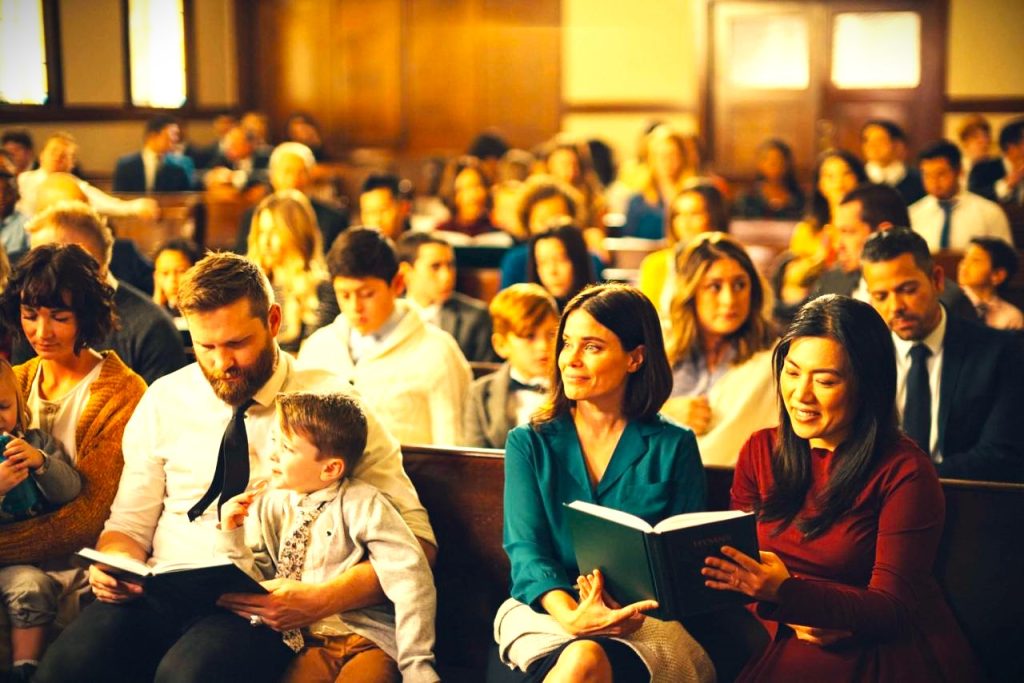
The answer to the above question is Yes! Church Safety and Security Programs are necessary, especially for smaller and medium size churches who have fewer resources. In this post we will talk about why church safety and security programs are necessary, what these programs can accomplish, and how they help all churches meet legal obligations.
Church Safety & Security Programs
In recent times we have seen very small churches (First Baptist Church, Sutherland Springs, Texas) and one of the largest mega churches (Joel Osteen’s Lakewood Church) experience significant acts of gun violence. The Sutherland Springs Church did not have a safety and security program in place and this act of violence resulted in 26 church members being killed and 22 more wounded. The Lakewood Church did have a safety and security program in place and this act of violence resulted in only the shooter being killed and two others wounded by the gunfire.

Author’s Church Security Publications: Click Here
Why Church Safety & Security Programs are Necessary
We go to church to Worship, to Fellowship, to Recharge and to Prepare ourselves; we go to church to draw closer to God. But even when we are doing all the right things, bad things can happen, and churches are not immune. Church safety and security programs are necessary because they help to protect the church, staff, and congregation, when the evil in this world walks right into the Lord’s House.
In today’s world, church safety and security programs are necessary to protect the entire church community. Churches are meant to be places where we go to worship, fellowship, and gather as a community, where people should feel safe and secure. Implementing safety and security measures helps protect the entire church community from potential threats such as violence, robbery, financial crime, and other criminal activities skyrocketing on church premises throughout our country today.
A church safety and security program are a set of proactive measures aimed at preventing potential risks and threats from occurring. These measures may include developing a church security team, installing visible surveillance systems, establishing safety and security policy, procedures, and training protocols, among other things, all designed to identify and mitigate threats and hazards on church property.
Even with preventative measures in place, emergencies can still occur. Having a structured church safety and security program ensures that there are emergency response protocols in place that guide the churches response to emergencies such as medical emergencies, natural disasters, and acts of violence.
What Do Church Safety & Security Programs Do?
Just like a seatbelt, a church safety and security program encompass the entire church body (staff, members, volunteers, programs, buildings, and assets); and just like a seatbelt its significance is often only recognized after an emergency has occurred. These programs adhere to church insurance industry best practices and serve the following purposes:
- Protection of People and Property: These programs prioritize the safety and security of congregation members, staff, and visitors, as well as safeguarding church property and assets.
- Risk Mitigation: These programs identify and mitigate potential threat and risk hazards that could affect the safety and security of the church community in a spectrum from vandalism, theft, financial crimes, medical emergencies, all the way up to active shooter and natural disaster response.
- Prevention and Preparedness: These programs establish protocols and procedures to prevent incidents from occurring and to prepare the church community to effectively respond in case of emergencies.
- Peace of Mind: These programs instill confidence and peace of mind among church staff and congregants, knowing that measures are in place to ensure their safety and security while working and attending church services.
A church safety and security program play’s an important role in promoting a safe and welcoming atmosphere within the church while effectively addressing and mitigating potential risks and emergencies.

How Do Church Safety & Security Programs Help Churches Meet Legal Responsibilities
Similar to businesses, churches have legal obligations related to ‘Due Diligence’ and ‘Duty of Care’ to ensure the safety and security of individuals attending services and activities on their premises. Implementing a safety and security program is essential for churches to meet these obligations and be protected from liability claims.
Many churches simply lack comprehensive safety and security protocols to address recognized threats like robbery, suspicious behavior, financial crime, active shooters, and responding to medical emergencies. Developing effective policy and procedure protocols can be challenging and time-consuming, yet it is crucial that these policies are in place. These protocols mitigate recognized threat hazards that could harm churches and their congregations and by establishing these protocols, churches fulfill their due diligence and duty of care obligations.
FAQ
Church safety and security programs protect the church, its staff, congregation, and assets. The program accomplishes this by identifying and minimizing risks and threat hazards that could harm the church or attendees. These programs create a welcoming environment by implementing preventive measures, security teams, emergency response plans, and ongoing training for volunteers and staff.
The cost of having a volunteer church security team is minimal compared to “For Hire” options. The primary need when starting a team is having one or more long-term, passionate church members, preferably with a risk management background, willing to dedicate their time and effort to build the team.
Generally, churches can expect to incur expenses related to background checks, training, and equipment. Depending on the size of the church and team, these costs can range from several hundred to several thousand dollars initially. While utilizing volunteers significantly reduces labor costs, churches should create a budgetary item for the security team to fund essential expenses and ensure the development of a well-prepared, trained, and effective security team.
There are not any negative impacts to normal church services and activities because the security team’s presence will be largely felt but not necessarily seen. Team members will have both visible and covert responsibilities being vigilant observers over the church community. Only if a security issue or emergency occurs would the team’s presence materialize in a measured response consistent with resolving the issue while protecting those within close proximity.
related content
publication resource
Summary
We put on seatbelts and helmets day after day because we have faith this equipment will help protect us and mitigate any injuries if something bad happens. Church safety and security programs act in the same manner to protect the church and congregation. These programs provide policy and training protocols, emergency response plans, trained church security teams, and other preventive measures, all designed to safeguard the church and congregation and mitigate harm if an emergency occurs.
Always Plan Ahead. It Wasn’t Raining When Noah Built the Ark!
By faith Noah, having been warned of God of things not seen as yet, moved with fear, prepared an Ark to the saving of his house; by the which he condemned the world, and became heir of the righteousness which is by faith.
Hebrews 11:7
Michael Elerick
Public Safety Training LLC is here to serve and has established training and consulting programs and publication resources available to help. We would be honored to assist your church and security team in any way that we can. Contact us today!
Michael Elerick is the President of Public Safety Training LLC, a church safety and security training and consulting company. He retired from law enforcement as a Special Operations Commander and SWAT Commander. He served as the Executive Director for the Public Safety Training Institute (2010-2020), a non-profit public safety training organization, and has over three decades of experience as a Risk Manager and Security and Tactical expert. He is the author of Church Safety & Security 101, Emergency Preparedness for Church Volunteers, Church Security Team Development, Church Emergency Operations Plan (EOP), among other works.


